

When Should You Leave Your Porch Lights On?
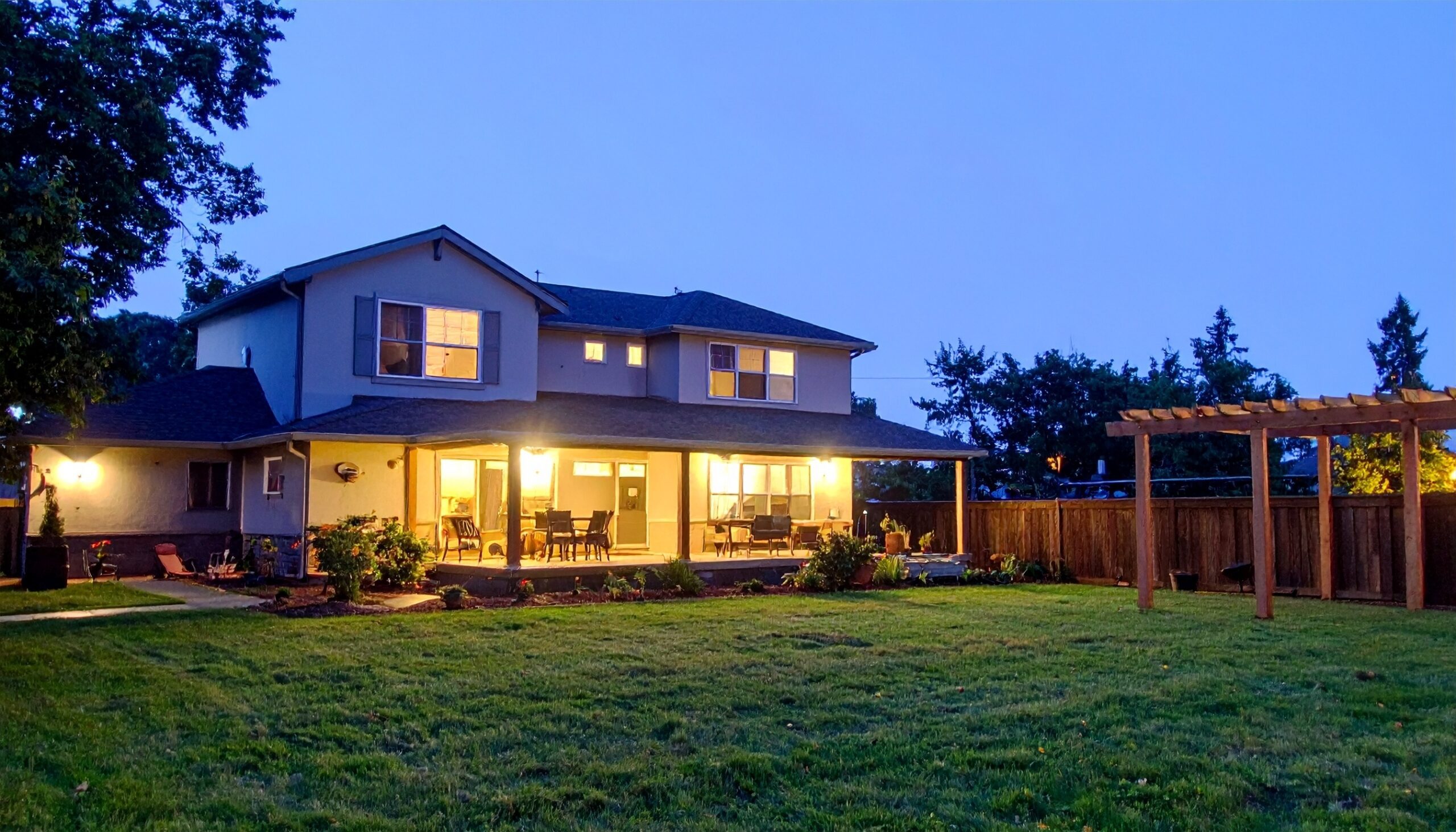
Simple, Safe Rules for Smarter Porch Lighting
Your porch light does more than brighten the front door—it signals that someone is home, guides guests safely to your entry, and can help deter unwanted activity. But leaving a light on 24/7 isn’t always the safest choice. Use these clear, easy rules to decide when to turn your porch lights on (and off) for a safer, more welcoming home.
When to Turn Your Porch Lights On
1) Nighttime while you’re home and awake
- Signals occupancy and deters would-be intruders.
- Makes it easier to see who’s at the door before you open it.
- Keeps steps, railings, and door hardware visible for guests.
2) When you’ll arrive home after dark
- Improves visibility at your door, lock, and walkway.
- Gives the impression someone is home if you’re running late.
- Pro tip: Use a smart bulb or switch so you can turn lights on from your phone.
3) When you’re expecting visitors or deliveries
- Helps guests and service providers find the correct address.
- Creates a safer, well-lit path to the porch.
- Reduces the chance of tripping on steps or décor.
When to Turn Your Porch Lights Off
1) Overnight after you go to bed
- Indicates normal household routines (other interior lights can remain on timers).
- Prevents unnecessary energy use and bulb wear.
- Upgrade idea: Pair a standard fixture with a motion sensor so light activates only when needed.
2) When you’re out of town
- A constantly lit porch can signal an empty home.
- Use smart scheduling or timers to vary on/off times.
- Coordinate interior lamps on timers to mimic normal patterns.
3) In very dark rural settings (with exceptions)
- Continuous light can reduce your ability to see approaching movement beyond the glow.
- Use motion-activated lighting to illuminate only when activity is detected.
- Keep pathways lit for planned arrivals or deliveries.
Lighting Setup Tips for Safety and Efficiency
- Bulbs: Choose warm-white LED bulbs (2700–3000K) for better visibility and lower glare.
- Brightness: Porch fixtures typically perform well at 800–1100 lumens; steps and walkways may need additional low-glare path lights.
- Placement: Aim fixtures to light the lock, threshold, and first steps without shining directly into eyes or the street.
- Controls: Smart switches, dusk-to-dawn sensors, and motion sensors help automate safe, natural-looking schedules.
- Maintenance: Keep glass shades clean, trim foliage, and secure loose wiring or wobbly fixtures.
Porch Safety Checklist (Quick Scan Before Dusk)
🎯 Address numbers visible and not blocked by décor.
🪜 Steps, railings, and mats flat and secure.
🔌 Cords tucked safely; no tripping hazards.
💡 Bulbs working; sensors responding to movement.
🕰️ Timers or smart schedules set for sunset.
Common Porch Light Questions
Should porch lights stay on all night?
Not necessarily. If you’re awake and expecting activity, leaving them on is helpful. After bedtime, pair a motion sensor with a timer so light comes on only when needed.
What color temperature is best?
Warm-white (around 2700–3000K) reduces glare, preserves night vision, and gives your entry a welcoming glow.
How bright should my porch light be?
A range of 800–1100 lumens works well for the main entry. Add path or step lights for visibility instead of using one overly bright fixture.
Is a smart bulb or smart switch better?
Smart switches control the whole circuit—great for multiple fixtures—while smart bulbs are easier to test and swap. Either option lets you automate lights while away.
Storage Success Starts with the Right Space
Clear, safe lighting starts with an organized entryway. Store away extra décor, cords, and porch items to keep your pathways open and your home looking bright and welcoming. A clutter-free space not only improves safety but also enhances curb appeal for every season.