
Do I Actually Need a Storage Unit?
Am I Overthinking This — or Is Having Extra Space the Missing Piece?
If you’re asking, “Do I actually need a storage unit?” you’re not alone — and you’re not being dramatic. This question shows up for people who are responsible, practical, and trying to make smart decisions without wasting time or money. Most of the time, it isn’t the idea of storage that feels uncertain. It’s the worry that renting a unit means you’ve “failed” at organizing, or that you should be able to make your current space work if you just try harder.
Here’s the truth: needing self storage is not a reflection of your ability. It’s a reflection of your reality. Life expands. Homes do not. Seasonal items, family transitions, work changes, hobbies, and everyday living all compete for the same square footage. Eventually, the home that used to feel comfortable starts feeling tight — and no amount of re-stacking bins or shuffling closet shelves can create space that simply isn’t there.
So if you’re wondering whether you’re overthinking it, the most honest answer is this: the fact that you’re asking usually means you’ve reached the “space ceiling” of your home. You can still function, but it takes more effort than it should. You tidy constantly, but it doesn’t stay tidy. You move items around, but they never truly belong anywhere. That’s the moment storage becomes the simple, supportive solution.
This guide is designed to help you decide with clarity. We’ll walk through the most common “quiet signs” you need a storage unit, how to choose the right unit size (including 5×5, 10×10, and 10×30), how to use self storage in a way that feels calm and organized, and why storage is often the most cost-effective way to protect your time, your home, and the items you care about.
Why This Question Comes Up (Even When Your Home Looks “Fine”)
Most people don’t ask about storage when things are clearly chaotic. They ask when their home looks okay on the surface — but doesn’t feel easy to live in. You can have a clean-looking home and still feel overwhelmed by the effort it takes to keep it that way.
That’s because clutter isn’t only about mess. It’s about friction. Friction looks like:
- Having to move three things to reach one thing
- Not having a clear “home” for the items you use weekly
- Storing important items in risky spaces (garages, damp basements, hot attics)
- Feeling like you’re constantly managing piles instead of living your life
- Owning items you love — but resenting where they have to live
When you keep bumping into friction, it becomes mental noise. It takes attention, patience, and energy. Self storage removes friction by giving “sometimes items” a safe, organized home — without forcing you to get rid of them.
Reorganizing vs. Self Storage: When “More Bins” Stops Helping
Organizing tools are useful. Bins, shelves, hooks, drawer dividers — all of it can improve flow. But there’s a point where organizing tools only make clutter more compact. If you’ve ever felt like your home is “organized but still full,” you’ve hit that point.
A good way to tell the difference:
- If your problem is access: organizing tools help.
- If your problem is volume: you need space — and that’s what self storage provides.
Volume problems show up when your “storage spaces” (closets, cabinets, garage shelves) are not supporting your lifestyle anymore. You end up storing items where they don’t belong, and then daily life becomes harder because your most useful spaces are stuffed with things you don’t need every day.
Self storage is the clean reset that gives your home room to function again.
The Most Common Signs You Need a Storage Unit
These are the everyday signals that your home is asking for extra space. You don’t need all of them. If even a few are true, self storage will likely make your life easier immediately.
1) Your closets are full, but you still can’t find what you need
A full closet doesn’t mean you have a complete wardrobe. It means your closet is carrying too much. When items are packed tightly, clothes wrinkle, accessories disappear, and getting dressed feels like a chore. A small self storage unit lets you rotate seasonal clothing, store special-occasion pieces, and keep your everyday wardrobe visible and breathable.
2) Your garage isn’t a garage anymore
If you can’t park, walk easily, or find tools because the garage is holding overflow, you’re paying for square footage that isn’t serving its purpose. Garages are also risky for many belongings because temperature swings and moisture can damage what you store. Moving overflow into a climate-controlled storage unit protects items and restores function at home.
3) Seasonal items are living in your daily space
Holiday décor, winter gear, summer chairs, sports equipment, bulky coats — these items are necessary, but they aren’t daily-use items. When they live in your daily space, your home shrinks. Storage works best when it acts as your seasonal rotation space.
4) Your “spare room” has turned into a pile room
Guest room becoming a storage room is one of the clearest signals that your home needs support. Self storage gives those items a real home so your room can be a room again.
5) You’re delaying decisions because there’s nowhere to put things
Sometimes you don’t need to decide what to keep forever — you just need a safe place to put it while you think. Self storage creates breathing room. It allows you to move forward without rushing emotional decisions.
6) You’re in a life transition (even a “good” one)
Moves, renovations, babies, adult kids moving back home, downsizing, merging households — these transitions create temporary chaos. Storage smooths the transition by giving you flexibility while your home changes.
Storage Unit Sizes: How to Choose Without Guessing
One of the biggest reasons people hesitate is fear of choosing the wrong size. The good news is: you don’t need to guess based on vague labels. You just need to match the unit to your goal.
Think in terms of what problem you’re solving:
- Overflow + rotation: 5×5 is often enough.
- Room reset + furniture + transition space: 10×10 is a strong fit.
- Major move, whole-home storage, or long-term transition: 10×30 is ideal.
5×5 Storage Unit: “Just Enough Space” to Change Everything
A 5×5 storage unit is about the size of a small walk-in closet. This is the unit for people who think they “don’t need storage” because they don’t have furniture to move — but they still feel cramped. A 5×5 is not for moving a house. It’s for making your home feel better to live in.
What fits well in a 5×5?
- Seasonal clothing in labeled bins
- Holiday décor (ornaments, lights, wreaths, outdoor décor) organized by holiday
- Paper files, records, and keepsakes in sealed containers
- Sports gear: helmets, pads, golf clubs, camping bins, kids’ gear
- Small furniture like a nightstand, small dresser, or shelving pieces (depending on layout)
Why 5×5 works so well: it gives you a dedicated “rotation closet.” Instead of stuffing bins under beds or stacking items in hallways, you give those items a real home. Your living space opens up, and daily routines become simpler.
10×10 Storage Unit: The Most Flexible “Reset Button”
A 10×10 storage unit is roughly the size of an average bedroom. It’s the best choice when you need space for more than bins — such as furniture, multiple categories of household items, or a transition period where you want room to sort and stage.
What a 10×10 commonly holds:
- Bedroom furniture (mattress set, dresser, chairs) depending on packing style
- Multiple rooms’ worth of boxes
- Large seasonal rotation: décor, gear, bulky clothing, bins
- Appliances (with proper prep) and household equipment
- Staging items for downsizing or renovating
This unit is for people who want their home to feel lighter quickly. It’s also ideal if you’re combining households, renovating, or reworking how your home functions. With a 10×10, you can store items neatly and still maintain access — which is important if you’ll be visiting your unit throughout the year.
10×30 Storage Unit: The “Big Transition” Solution
A 10×30 storage unit is designed for major changes. If you need to store the contents of a large home, stage an estate cleanout, or create long-term storage during relocation, this size provides breathing room and safe packing space.
Common uses for 10×30:
- Whole-home storage during a move
- Long-term storage during extended travel or relocation
- Large renovation projects that require clearing multiple rooms
- Estate transitions where you need time to sort items carefully
This size reduces stress because it prevents rushed packing. You can organize intentionally, label by room, and keep pathways for access. For big transitions, that matters.
Why Climate-Controlled Self Storage Is Worth It
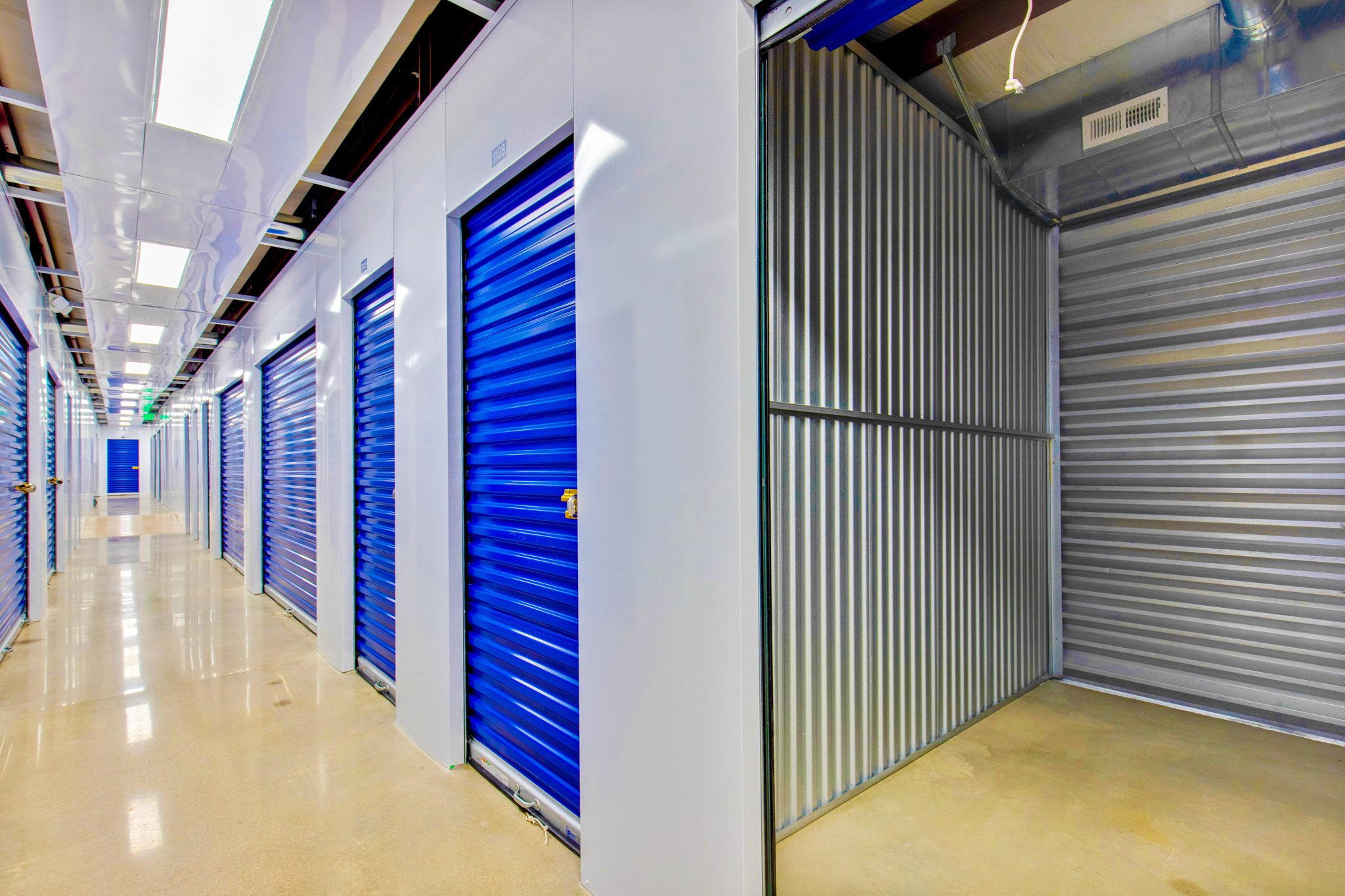
Climate-controlled self storage protects items from temperature swings and humidity — the two biggest causes of long-term damage in storage.
Items that benefit strongly from climate control:
- Clothing, especially natural fabrics
- Photos, paper documents, and keepsakes
- Wood furniture, leather items, instruments
- Electronics and small appliances
- Seasonal décor you want to keep in great condition
If you’re storing anything you’d be upset to replace, climate control keeps it stable, protected, and ready when you need it again.
“But What If I’m Overthinking It?” A Quick Reality Check
If you’re still unsure, try this quick test. If you answer “yes” to any of these, self storage will help you immediately:
- Do you avoid certain rooms because they feel cluttered?
- Do you have items stored in places that make daily life harder?
- Do you buy duplicates because you can’t find what you already own?
- Do you feel like you’re always cleaning, but it never feels finished?
- Do you keep thinking, “If I could just clear this one area…”?
Storage is the “one area.” It’s the support layer your home doesn’t have.
How to Use Self Storage in a Way That Feels Organized
Storage works best when it’s intentional — not when it becomes a dumping ground. The goal is to make your life easier, not create a second messy space.
Use categories, not chaos
Group items by purpose: seasonal décor, seasonal clothing, keepsakes, sports gear, extra furniture, documents. This makes retrieval easy and prevents “mystery boxes.”
Label like you mean it
Write labels that your future self will understand. “Christmas lights – outdoor – net lights” beats “holiday stuff” every time.
Store by frequency
Place often-used items toward the front. Long-term items go toward the back. This keeps your unit functional.
Create an aisle if you’ll access items
Even a narrow walkway helps you avoid reshuffling everything just to find one bin.
The Real Benefit: Your Home Starts Working Again
Self storage is not only about where items go. It changes how your home feels. When closets breathe, surfaces stay clear, and rooms regain function, you stop managing your home and start living in it.
That’s why the answer to “Do I actually need a storage unit?” is almost always yes — because the benefits aren’t theoretical. They show up every day.
You don’t need a storage unit because you have “too much.” You need a storage unit because your space deserves to support your life, not fight it.
Choose the Size That Matches Your Goal
- 5×5: seasonal rotation, overflow, keepsakes, décor, documents
- 10×10: room resets, furniture staging, renovation flexibility, multi-category storage
- 10×30: big transitions, whole-home storage, estate moves, long-term storage needs
Once you choose the right size, the rest gets easier. Your home gets lighter. Your routines get smoother. Your storage becomes a system instead of a stress point.