

Organize Your Basement: Design & Storage Ideas for a Functional Space
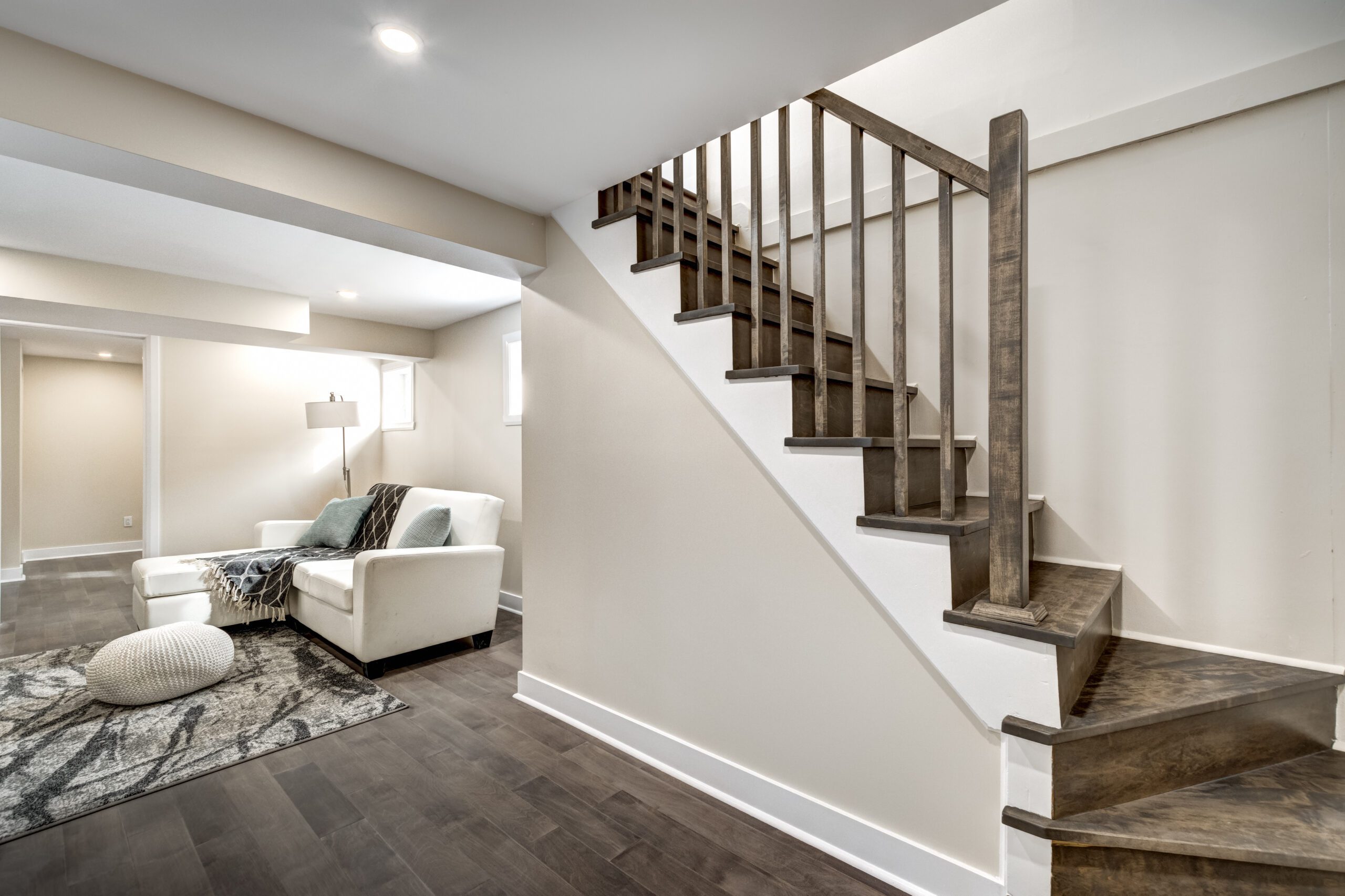
Transform Your Basement with Smart Storage and Functional Design
Spring is a natural reset for the home, and the basement is often the space that collects the most overflow throughout the year. Over time, basements become a catch-all for seasonal decor, sports equipment, tools, and items without a defined home. Transforming this space into an organized, functional area can dramatically improve how your home feels and functions day to day. Whether your goal is to create a multipurpose room or simply regain usable square footage, thoughtful design and storage planning can turn your basement into a space that actually supports your lifestyle.
Why Organize Your Basement?
An organized basement isn’t just about appearances. Creating structure and intentional storage in this space supports how your entire home operates. An organized basement also:
- Maximizes usable space: Clear zones make it easier to move, store, and repurpose areas.
- Reduces daily stress: Knowing where things belong saves time and mental energy.
- Improves safety: Clear walkways reduce trip hazards and protect stored items.
- Supports long-term home value: A well-maintained basement adds functional appeal.
Ready to begin the transformation? Let’s walk through practical design and storage strategies that help your basement work for your real life.
Step 1: Declutter with Purpose
Before organizing, create space by clearing what no longer serves your household. Use these simple guidelines to declutter intentionally:
- Sort by category: Create clear groupings for keep, donate, sell, and discard.
- Evaluate realistically: If it hasn’t been used in a year, it may not need prime storage space.
- Limit sentimental storage: Preserve meaningful items without allowing them to overwhelm the space.
For items worth keeping but not needed day-to-day — such as seasonal decor, archived documents, or family keepsakes — self storage can help preserve your home’s functional flow without forcing tough decisions.
Step 2: Plan Your Basement Layout
Once clutter is reduced, define how your basement will support your household. Popular functional zones include:
- Home gym: Wall-mounted racks and floor mats help organize fitness equipment.
- Playroom: Low shelving and bins keep toys accessible without visual overload.
- Home office: Combine storage with intentional lighting to support productivity.
- Entertainment space: Media storage keeps games, movies, and accessories organized.
- Dedicated storage zone: Clearly defined storage areas prevent overflow into living zones.
Mapping your layout ahead of time ensures that storage solutions support how the space is actually used — not just how it looks.
Step 3: Invest in Storage Solutions That Scale with Your Needs
Basements work best when storage adapts over time. Consider these flexible storage ideas:
- Adjustable shelving: Allows you to adapt as storage needs change.
- Clear, labeled bins: Makes inventory visible and retrieval easier.
- Pegboards: Ideal for tools, crafts, and seasonal gear.
- Rolling carts: Useful for shared household supplies.
- Closed cabinets: Maintain a clean visual look for multipurpose basements.
When selecting storage solutions, choose materials that handle temperature changes and humidity typical in basement environments.
Step 4: Design with Long-Term Function in Mind
A well-organized basement should feel intentional — not temporary. Design elements that support long-term usability include:
- Layered lighting: Combines overhead and task lighting for visibility.
- Moisture-resistant flooring: Protects the space from seasonal changes.
- Light wall colors: Help visually brighten darker spaces.
- Zoning: Rugs and furniture placement define how the space is used.
Designing with both storage and function in mind allows your basement to grow with your household.
Step 5: Maintain Your Organized Basement Over Time
Organization works best when systems are easy to maintain. Keep your basement functional with simple habits:
- Seasonal resets: Revisit stored items twice a year.
- Clear labeling: Makes returning items intuitive.
- Seasonal rotation: Keep current-use items accessible.
- Shared systems: Ensure everyone understands the layout.
Storage Success Starts Here
Organizing your basement creates space for both function and flexibility. Whether you’re building a multipurpose room or simply reclaiming storage areas, intentional design and organization help your home work better for your daily life. For items you don’t need regular access to, self storage can help maintain order without sacrificing the space you use every day.