

How to Brighten Up a Dark Space (Even Without Windows)
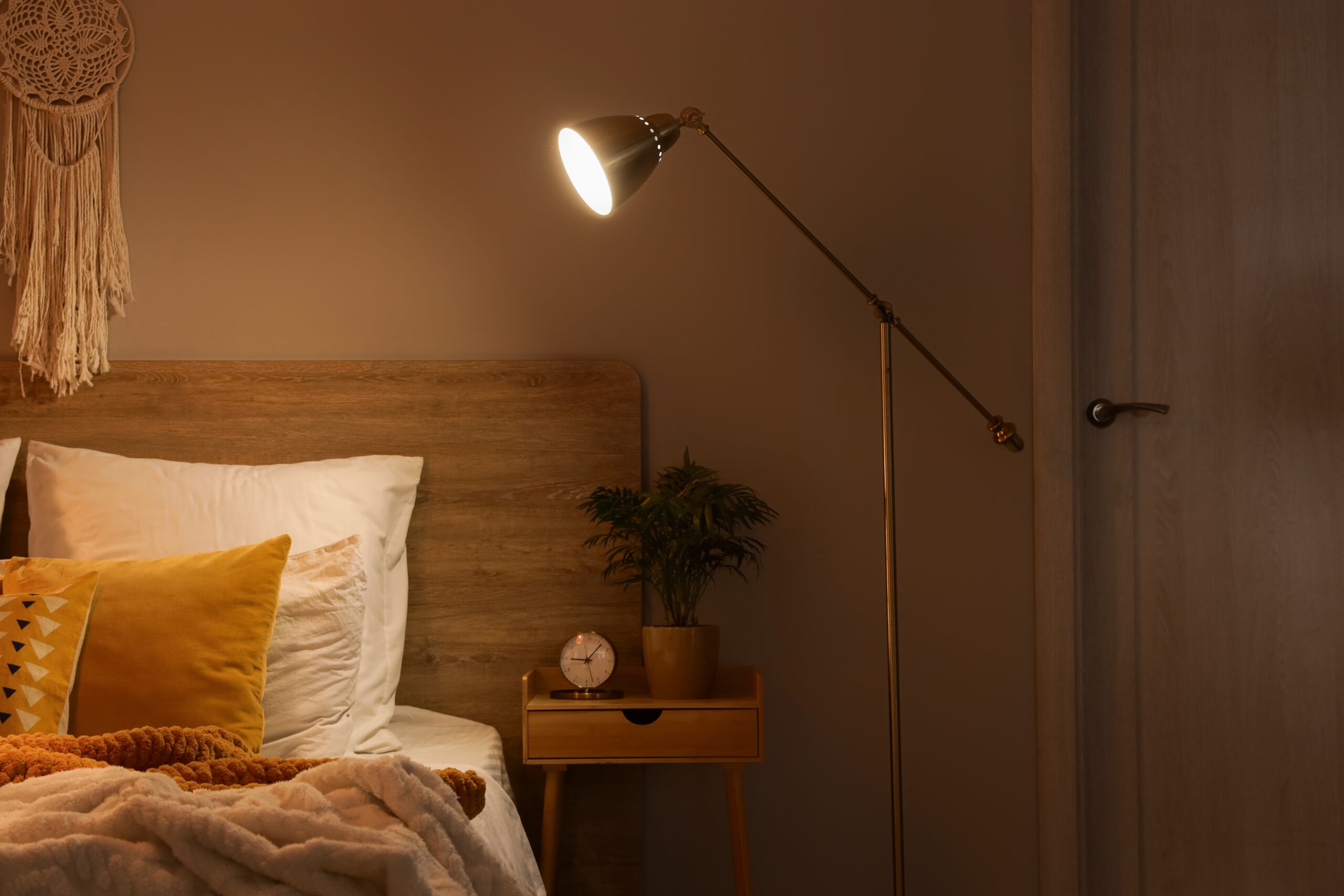
Light, Lift, and Freshen: What This Guide Covers
Dim spaces can feel smaller and heavy—but a few targeted updates can transform them. This guide shows exactly how to use paint, lighting, surfaces, and layout to brighten a dark room on any budget—fast.
Start With Color (Walls, Ceilings, Trim)
Pick light, reflective wall colors: Use whites and soft neutrals (warm white, pale greige, cream). Lighter hues reflect more light and instantly open the space.
Go lighter on the ceiling: Paint the ceiling a half-shade lighter than walls to bounce light down and make the room feel taller.
Use matte/satin—not glossy—in low light: Matte or satin diffuses light evenly; high-gloss can create glare and hot spots in dim rooms.
Dial In the Bulbs (Brightness & Color)
Choose daylight-leaning bulbs: Use LED bulbs labeled 4000–5000K for a daylight feel (or 3000–3500K for warm-bright). Target 1,500–3,000 lumens total for small rooms; more for larger spaces.
Layer your light sources: Combine ambient (ceiling), task (lamps), and accent (picture/mirror lights) so no single bulb has to do it all.
Fixtures & Placement That Brighten
- Use uplight to “wash” the ceiling: Torchiere or uplight floor lamps push light up so it bounces back evenly across the room.
- Spread light, don’t aim it at eyes: Keep fixtures out of direct sightlines; use diffusers, frosted glass, or fabric shades to soften brightness.
- Put light where it matters: Highlight work zones, sitting areas, and walk paths; add small puck or under-cabinet lights in shadowy corners.
Surfaces That Bounce Light
Mirrors where they’ll catch light: Hang a large mirror opposite a window or lamp. Group smaller mirrors to create a reflective “gallery.”
Shine—sparingly: Metallic frames, glass tables, glazed ceramics, and satin hardware reflect ambient light without feeling harsh.
Lighter floors & rugs: A pale rug (cream, oat, light natural fiber) reflects upward and visually enlarges the room.
Windows, Curtains, and Glass
Let more daylight through: Swap heavy drapes for sheer panels; mount rods wide so panels clear the glass when open. Keep sills clutter-free.
Privacy without the gloom: Use light privacy films or top-down/bottom-up shades to protect privacy while letting light spill in.
Clean glass, inside & out: Dust and film can noticeably dull a room. Quick monthly wipes keep light levels high.
Furniture & Layout Tweaks
- Declutter sightlines: Lower backs on sofas, slim legs on tables, and fewer tall bookcases near windows prevent light blockages.
- Light fabrics: Choose lighter upholstery and slipcovers; add textured throws/pillows for warmth without visual weight.
- Open pathways: Leave a clear 30–36″ walkway so light can travel through, not around, furniture.
Quick Wins (Do These Today)
- Swap warm, dim bulbs for brighter daylight LEDs.
- Add one uplight floor lamp in the darkest corner.
- Hang a mirror to catch a window or lamp beam.
- Lay down a pale, low-pile rug to reflect light.
- Replace heavy drapes with sheer panels; clean the glass.
Frequently Asked Questions About Brightening Dark Rooms
What bulb settings make a room look brighter?
Use LEDs around 4000–5000K for a daylight feel (or 3000–3500K for warm-bright). Increase total lumens by layering several sources.
Matte, eggshell, or gloss paint?
Matte/eggshell spreads light evenly in dim rooms; high gloss can create glare unless used strategically on trim.
Best mirror placement?
Opposite a window or lamp so it reflects the strongest light source back into the space.
What if there’s no window at all?
Use a three-layer plan (ceiling + floor uplight + task lamps), a pale rug, and a large mirror behind or beside a lamp.
Light Better, Live Brighter
Brighter rooms aren’t about maxing out wattage—they’re about smart color choices, layered lighting, reflective surfaces, and clear sightlines. Tweak these levers and even windowless spaces feel lighter, larger, and more welcoming.