Storage Unit Security: What to Expect and What to Look For
How Secure Is a Storage Location, and What Should You Expect?
When you decide to use a storage unit, one of the first questions that comes up is how secure your belongings will be once they’re no longer under your roof. Whether you’re storing furniture during a move, keeping seasonal items out of the way, or holding onto personal belongings during a life transition, storage unit security plays a major role in how comfortable you feel placing those items off-site.
Security in self storage today looks very different than it did years ago. Modern storage locations are designed with multiple layers of protection in mind, combining physical features, technology, access control, and on-site management practices to help protect stored items. Understanding what security actually means in the context of storage units can help you choose a location with confidence and avoid relying on assumptions or outdated ideas about how storage works.
This guide walks through what storage unit security typically includes, what features you should expect to see at a reputable location, and what to look for when comparing locations. We’ll also cover how different storage needs can change which security features matter most, and how you can add an extra layer of protection inside your own unit.
What Storage Unit Security Really Means Today
Storage unit security is not defined by a single feature. It’s a system of overlapping safeguards designed to reduce unauthorized access, discourage unwanted activity, and provide oversight of who enters and exits the property. A secure storage location relies on multiple layers working together rather than one standalone solution.
At its core, storage security includes controlled access to the property, monitored areas, well-maintained grounds, and secure individual units. Locations that invest in security typically view it as an ongoing process rather than a one-time setup. This means maintaining lighting, updating access systems, ensuring cameras are functional, and having clear policies around entry and oversight.
Security also extends beyond physical barriers. Operational practices matter just as much. How access credentials are managed, how often the property is inspected, and how incidents are handled all play a role in the overall safety of a storage location. A well-run property reflects its commitment to protecting the belongings stored there.
Rather than asking whether a storage unit is “secure,” it’s more helpful to look at how many security layers are in place and how consistently they’re maintained. The more comprehensive the system, the stronger the overall level of protection tends to be.
Core Security Features You Should Expect at a Storage Location
While storage locations vary in size and layout, there are several baseline security features you should expect to see when evaluating a location. These elements form the foundation of a secure storage environment and indicate that the location prioritizes protection and oversight.
Controlled Access and Gated Entry
Controlled access is one of the most visible security features at a storage location. This usually involves gated entry points that require a personal access code or keycard to enter the property. Controlled access helps limit entry to authorized renters and staff, creating a record of when individuals come and go.
Access control systems also allow locations to manage hours of entry. Some properties restrict access during overnight hours, while others allow extended access based on customer needs. Either approach still benefits from having a system in place that tracks usage and prevents unauthorized entry.
In well-managed locations, access codes are unique to each renter and are deactivated when an account is closed. This prevents former renters from retaining access and helps ensure that entry points remain restricted to current customers.
Video Surveillance and Camera Coverage
Video surveillance is another core component of storage security. Cameras are typically positioned at key points throughout the property, including entrances, exits, drive lanes, and common areas. While cameras alone do not prevent incidents, their presence plays a significant role in discouraging unauthorized activity.
Effective camera coverage is paired with adequate lighting. Well-lit areas improve visibility for cameras and help create a safer environment overall. Together, lighting and surveillance contribute to both real-time awareness and post-incident review when needed.
Some storage locations actively monitor camera feeds, while others use recorded footage primarily for documentation. Either approach still adds a valuable layer of oversight and accountability.
On Site Management and Location Oversight
The presence of on-site staff adds an important human element to storage security. Staff members help monitor activity, assist customers, and respond to concerns that may arise on the property. Regular walkthroughs of the location allow potential issues to be identified early, whether that involves maintenance needs or security concerns.
Locations with consistent on-site management tend to feel more organized and well cared for. This environment alone can discourage unwanted activity and signals that the property is actively maintained rather than passively monitored.
Well Lit and Maintained Property
Lighting and maintenance go hand in hand with security. Well-lit pathways, hallways, and access points reduce blind spots and improve visibility throughout the property. This helps both customers and staff move through the location more comfortably and contributes to an overall sense of safety.
Maintenance also matters because neglected properties can signal lax oversight. A clean, well-maintained location reflects ongoing attention to detail, which often extends to how security systems are managed. When a property looks cared for, it’s more likely that security practices are being actively upheld as well.
Secure Unit Construction and Door Hardware
The security of the individual unit itself is another important factor. Storage units are typically constructed with steel doors and reinforced frames designed to withstand everyday wear and provide a physical barrier between stored items and the outside environment.
Indoor units add another layer of separation by placing your belongings within a secured building rather than along an exterior drive lane. While both indoor and outdoor units can be secure when properly managed, indoor layouts often benefit from additional access controls and surveillance coverage within the building.
The combination of location-level security and unit-level construction creates a more comprehensive protection system than relying on a single feature alone.
Advanced Storage Security Features That Add Extra Peace of Mind
Beyond the baseline security features that most modern storage locations provide, some locations invest in additional layers of protection designed to further enhance safety and oversight. These advanced features aren’t always required for every storage situation, but they can offer added peace of mind depending on what you’re storing and how long you plan to store it.
Understanding these enhanced security options can help you better compare locations and choose a storage location that aligns with your comfort level and storage needs.
Individual Unit Alarms
Some storage locations offer individual door alarms on units. These alarms are designed to alert staff if a unit is opened without proper authorization. This feature adds a layer of protection beyond gated entry and surveillance, especially for indoor units where multiple renters share common hallways.
While not every location offers unit-level alarms, their presence can be particularly helpful for customers storing high-value items or sensitive belongings that they want monitored more closely.
Perimeter Fencing and Secured Property Boundaries
Perimeter fencing helps define the boundaries of a storage location and limits access points to designated entry gates. This makes it easier to control who enters the property and reduces the likelihood of unauthorized access from surrounding areas.
Locations that combine fencing with controlled gate access create a clearer perimeter around the property, which contributes to both security and overall organization of traffic flow.
Electronic Keypad or Keycard Access Systems
Electronic access systems provide a way to track when individuals enter and exit the location. Each renter is typically assigned a unique code or keycard, creating a digital record of access activity. This accountability can be useful for both operational oversight and security awareness.
Modern systems allow locations to deactivate access credentials quickly when a rental agreement ends, helping ensure that only current renters have entry permissions.
Motion Sensors and After Hours Monitoring
Some locations incorporate motion detection in specific areas of the property, particularly in locations that are less frequently accessed. Motion sensors can trigger alerts or recording when movement is detected during certain hours, adding another layer of monitoring when fewer people are present on site.
After-hours monitoring protocols vary by location, but the goal is the same: maintain awareness and visibility of activity during times when staffing may be limited.
How to Evaluate Storage Security When Visiting a Location
Reading about security features is helpful, but seeing them in person provides a clearer picture of how a location operates day to day. When touring a storage property, it’s worth paying attention to how the security systems are actually implemented and maintained.
Here are several practical ways to evaluate storage security during an on-site visit:
Observe Entry and Exit Procedures
Take note of how access points are managed. Are gates functioning properly? Do entry systems require individual codes or credentials? Are there visible signs indicating controlled access? A location that takes access management seriously will have clear, functioning systems in place.
Check Lighting and Visibility Throughout the Property
Walk through the property and observe lighting conditions. Well-lit areas reduce blind spots and make it easier to see your surroundings. Dim or poorly lit spaces may indicate a lack of attention to ongoing maintenance.
Look for Camera Placement and Coverage
Notice where cameras are positioned and whether they appear to cover main access points and common areas. While camera systems don’t need to be intrusive, their placement should feel intentional rather than random.
Assess Overall Maintenance and Cleanliness
The general condition of the location often reflects how well it is managed. Clean walkways, maintained landscaping, and orderly units suggest that staff regularly inspect the property. A well-maintained location is more likely to maintain its security systems as well.
Ask About Security Policies and Practices
It’s completely reasonable to ask staff how security is handled at the location. Questions about access control, monitoring, and after-hours procedures can provide insight into how seriously the property takes safety. Staff who can clearly explain these practices demonstrate familiarity with the location’s operations.
Matching Security Features to Different Storage Needs
Not all storage situations require the same level of security. The type of items you’re storing, the duration of storage, and how frequently you plan to access your unit can all influence which security features matter most to you.
Understanding how your storage needs align with different security options can help you choose a location that feels appropriate without overcomplicating the process.
Short Term Storage During a Move or Renovation
When storing items temporarily during a move or home renovation, convenience and accessibility are often top priorities. You may be visiting your unit frequently, moving items in and out as your project progresses.
In these situations, controlled access, good lighting, and on-site staff can be especially helpful. Easy entry and clear visibility allow you to move belongings efficiently while still benefiting from the location’s security systems.
Long Term Storage for Seasonal or Personal Items
For longer-term storage, consistency and ongoing oversight become more important. Items stored for extended periods benefit from locations with reliable surveillance, controlled access, and strong maintenance practices.
Long-term storage customers often prioritize stability and protection over frequent access, making security features that monitor activity over time particularly valuable.
Storage for High Value or Sentimental Belongings
If you’re storing items with significant personal or financial value, you may want to seek out locations with more advanced security options such as unit alarms, indoor units with restricted access, and enhanced monitoring.
While no storage solution can eliminate all risk, layering location security with personal precautions can create a more secure environment for valuable belongings.
Business Storage Needs
Businesses that use storage units for inventory, equipment, or records often benefit from locations with strong access control and accountability. Being able to track who enters the property and when can be helpful for managing shared access among team members.
In these cases, security features that support controlled access and visibility can contribute to smoother operations and better oversight of stored materials.
The Role of Personal Responsibility in Storage Security
While location-level security plays a major role in protecting your belongings, individual renters also contribute to the overall security of their units. Simple habits and precautions can strengthen the protection of your stored items and complement the location’s systems.
Security works best when location features and personal practices work together rather than independently.
Choosing a High Quality Lock
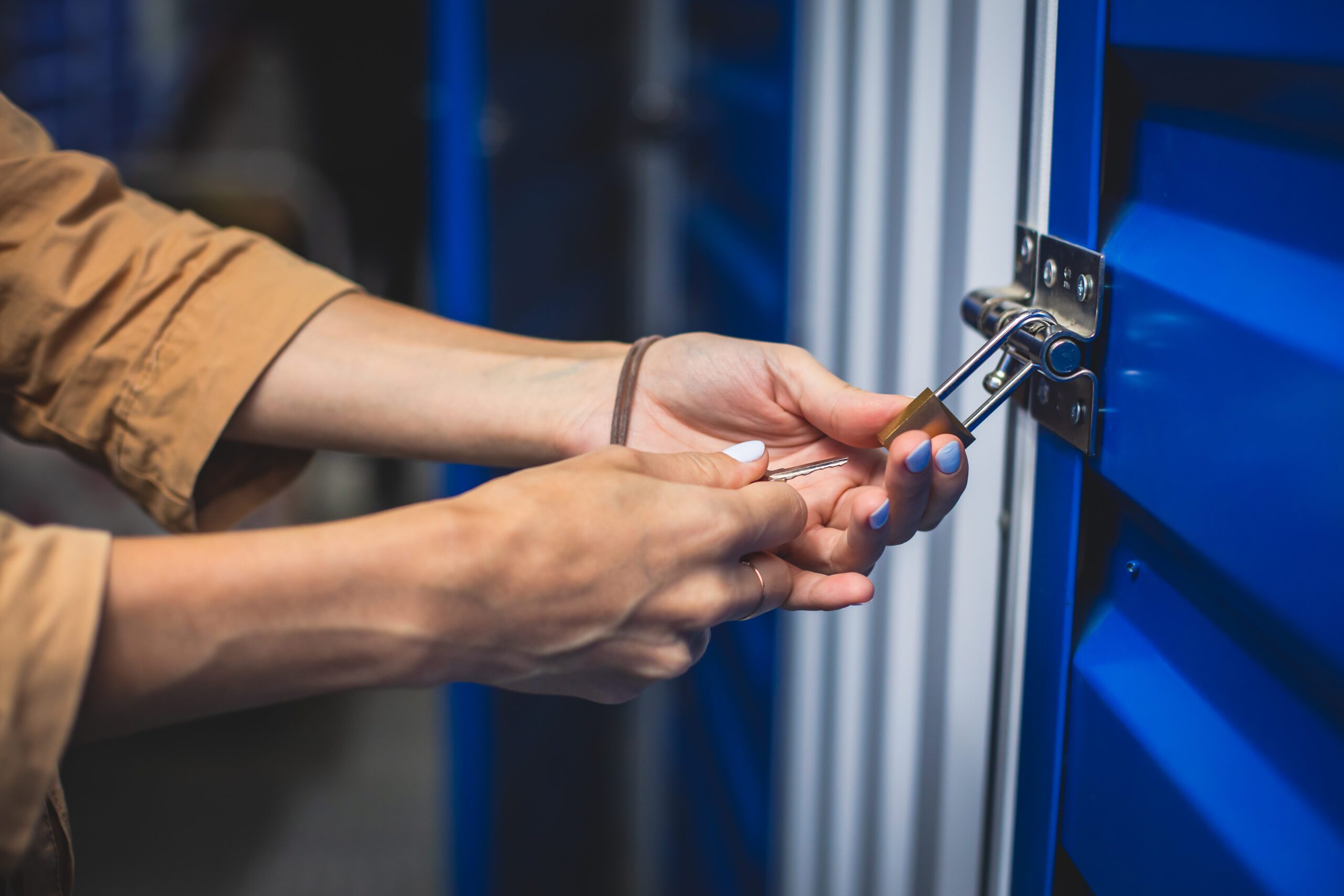
Your lock is the primary barrier between your belongings and the outside environment. Selecting a sturdy, well-made lock designed for storage use can add an important layer of protection. Disc locks and other hardened steel options are often recommended because they are more resistant to tampering than standard padlocks.
Using a reliable lock ensures that even within a secure location, your individual unit remains properly protected.
Keeping Access Information Private
Access codes, keycards, and lock combinations should be treated as personal security information. Avoid sharing access credentials unless absolutely necessary, and be mindful of who accompanies you onto the property.
Limiting access to your unit helps maintain the integrity of the location’s security systems and reduces the risk of unauthorized entry.
Storing Items Thoughtfully Within Your Unit
How you organize your unit can also contribute to security. Placing higher-value items toward the back of the unit and keeping less sensitive items near the front can reduce visibility and discourage curiosity.
Maintaining an organized layout also allows you to notice quickly if something appears out of place during visits.
Regularly Checking on Long Term Storage Units
If you’re storing items long term, occasional visits can provide reassurance and allow you to check the condition of your unit. This habit helps you stay familiar with the location environment and maintain awareness of how your belongings are stored.
Common Misconceptions About Storage Unit Security
Many concerns about storage unit security stem from outdated perceptions or assumptions that don’t reflect how modern locations operate. Clearing up these misconceptions can help you approach storage decisions with a more accurate understanding.
Assuming All Storage Locations Are the Same
Security standards can vary between locations. While many modern properties invest in comprehensive security systems, it’s important to evaluate each location individually rather than assuming uniform practices across all providers.
Believing Security Is Only About Cameras
While surveillance cameras play an important role, security is not dependent on cameras alone. Access control, lighting, staffing, maintenance, and individual unit protection all contribute to a more complete security system.
Thinking Storage Security Is Set and Forget
Security is an ongoing process. Locations that actively maintain their systems, update access controls, and monitor property conditions provide a stronger level of protection than those that rely on static setups.
Building Confidence in Your Storage Decision
Choosing a storage unit involves more than selecting the right size or location. Feeling confident in the security of the location allows you to focus on the convenience and flexibility storage provides rather than worrying about what you’ve placed inside.
By understanding what storage unit security includes, knowing what features to expect, and learning how to evaluate locations in person, you can make a more informed decision that aligns with your comfort level and storage needs.
Security works best when it is layered, consistently maintained, and supported by thoughtful personal habits. When these elements come together, storage units can provide a reliable and practical extension of your space, allowing you to store belongings with greater peace of mind.
Indoor vs Outdoor Storage Units: How Security Differs
Not all storage units are accessed the same way, and the layout of a storage location plays a meaningful role in how security is experienced day to day. Understanding the difference between indoor and outdoor storage units can help you choose a setup that aligns with your comfort level, how often you visit your unit, and what you plan to store.
Security Inside Indoor Storage Buildings
Indoor storage units are located within a secured building. To reach your unit, you typically pass through controlled entry points, interior hallways, and shared access areas. This layered approach adds additional separation between the outside environment and individual units.
Indoor storage buildings commonly include:
- Keypad or keycard controlled building entry
- Interior hallways monitored by surveillance cameras
- Consistent lighting throughout the building
- Restricted access points that limit unauthorized entry
This structure is often preferred by renters storing items long term or those who value added oversight within enclosed spaces. The building itself becomes part of the security system, not just the unit door.
Security Considerations for Outdoor Storage Units
Outdoor storage units allow for direct access from exterior drive lanes, making loading and unloading large items more convenient. While access is more open, security is maintained at the property level through perimeter controls and monitored entry points.
Outdoor storage security typically relies on:
- Gated access to the property
- Perimeter fencing and controlled entry zones
- Exterior lighting across drive lanes
- Camera coverage of entrances and shared spaces
When well managed, outdoor storage can be just as secure as indoor storage. The difference lies in how the location maintains visibility, access control, and property oversight.
How Climate Controlled Buildings Support Security
Climate controlled storage units are commonly housed inside enclosed buildings. While climate control focuses on protecting items from temperature and humidity changes, the building design also contributes to a more regulated access environment.
Because climate controlled units are located within secured structures, access is typically restricted through controlled entry systems. This adds an extra layer of separation between the outside and your belongings, which can feel more secure for long-term storage or for items that require additional care.
The combination of environmental protection and building-level access control makes climate controlled storage a strong option for renters who want both physical protection and consistent location oversight.
Security Planning for Long-Term Storage
When storing belongings for extended periods, security becomes less about individual moments and more about long-term reliability. A location’s consistency in maintaining gates, cameras, lighting, and access systems plays a major role in how secure your belongings remain over time.
Strong long-term storage security is supported by:
- Locations that regularly maintain security equipment
- Clear access policies for renters and staff
- Well-lit properties that reduce hidden areas
- On-site management or regular property oversight
Choosing a location with dependable operations helps ensure that security measures remain effective throughout the duration of your storage rental.
What Security Really Provides for Renters
Security features are designed to support peace of mind. While no system can eliminate every possible risk, layered security measures work together to create an environment where renters can feel comfortable storing personal belongings outside their home or business.
When access control, lighting, surveillance, and location maintenance operate together, they create a system that:
- Discourages unauthorized entry
- Improves visibility across shared spaces
- Establishes controlled access to the property
- Supports accountability for who enters and exits
This combination allows storage to function as a reliable extension of your space, giving you flexibility without compromising confidence in how your belongings are stored.
Frequently Asked Questions About Storage Unit Security
Are storage locations monitored at all times?
Many locations use continuous video surveillance in common areas, while others combine camera systems with scheduled property checks. Monitoring practices vary by location, so it’s always a good idea to ask what systems are in place.
Can anyone walk into a storage location?
Most professionally managed locations use gated or controlled entry systems to limit access to authorized renters and staff. This helps prevent unauthorized entry onto the property.
Do storage locations provide locks?
In most cases, renters supply their own lock for their unit. This allows you to choose a lock that fits your preferences and gives you direct control over access to your individual unit.
Are indoor units safer than outdoor units?
Neither option is automatically safer. Security depends on how the location manages access control, lighting, surveillance, and overall property maintenance. Both indoor and outdoor units can be secure when properly managed.
How can renters improve their own storage security?
Using a quality lock, keeping your access code private, organizing items thoughtfully, and visiting your unit periodically all contribute to a stronger personal layer of security.
Choosing Storage With Confidence
Storage unit security works best when location-level systems and renter habits work together. By understanding what security features to expect and how to use your unit responsibly, you can create a storage setup that feels reliable and well supported.
Whether you are storing short-term or long-term, thoughtful security planning helps ensure that your belongings remain protected while you enjoy the flexibility that storage provides.