
Short-Term vs Long-Term Storage: What’s the Difference?
Understanding Which Storage Option Fits Your Life Right Now
If you are already looking into storage, the decision is no longer about whether storage is helpful. At this point, life has already created the need. Your home feels tighter, closets are full, or your current space no longer supports the way you live. The real decision becomes how to use storage in a way that fits your situation: short-term storage for temporary transitions or long-term storage for belongings you plan to keep stored for an extended period of time.
Understanding the difference between short-term and long-term storage helps you choose the right type of space, the right unit size, and the right storage approach so your home can function better while your belongings remain protected.
What Short-Term Storage Is Designed For
Short-term storage is meant to support temporary life changes. These are situations where you need extra room now, but expect to bring many of your stored items back into your home in the near future. The timeline may be weeks or a few months, but the purpose is flexibility during transitions.
Short-term storage is commonly used for:
- Moving between homes with overlapping timelines
- Home renovations or repairs that require furniture to be moved out of the way
- Temporary relocations for work or school
- Seasonal storage for decor, outdoor furniture, or gear
- Staging a home for sale to reduce visual clutter
The main benefit of short-term storage is convenience. You are creating breathing room in your home while life is in motion. Items are stored in a way that allows easy access because you may need to retrieve them quickly or reorganize what is stored as your situation changes.
What Long-Term Storage Is Designed For
Long-term storage supports situations where items will be stored for extended periods of time. These belongings are still important, but they are no longer part of your everyday living space. Long-term storage allows you to preserve what matters without forcing your home to hold everything at once.
Long-term storage is often used for:
- Downsizing to a smaller home or apartment
- Storing family heirlooms and sentimental belongings
- Managing inherited items during estate transitions
- Business inventory, equipment, and archived materials
- Long-term relocations or lifestyle changes
With long-term storage, the focus shifts toward protection and preservation. Items are packed to withstand time, and access is less frequent. Climate-controlled environments and careful organization play a larger role in maintaining the condition of stored belongings.
The Real Difference Between Short-Term and Long-Term Storage
The difference between short-term and long-term storage is not only about how long items stay in a unit. It is about how storage fits into your daily life and how you plan to use the space.
- Short-term storage supports temporary transitions and frequent access.
- Long-term storage supports long-term space management and preservation.
Short-term storage tends to change as your situation changes. Items move in and out more often. Long-term storage remains more stable. What you store is less likely to change frequently, and the goal is long-term protection rather than convenience alone.
Choosing the Right Storage Unit Size
Choosing the right unit size is one of the most important decisions in making storage feel helpful instead of frustrating. Many people assume storage units only make sense in larger sizes, but small units can make a significant difference when used intentionally.
- 5 x 5 units work well for seasonal decor, clothing rotation, small furniture, and boxes.
- 5 x 10 units are useful for apartment overflow, renovation staging, or short-term transitions.
- 10 x 10 units support furniture from one-bedroom apartments or larger renovation projects.
- 10 x 20 and 10 x 30 units accommodate whole-home transitions, downsizing, or business storage needs.
Choosing the right size allows you to organize efficiently and access items without overcrowding. Even a small unit can create meaningful breathing room in your home when used strategically.
What People Typically Store Short-Term
Short-term storage usually includes items that will return to your home once a transition ends. These may include furniture during renovations, seasonal items, moving boxes, or household overflow during major life changes.
Short-term storage helps keep your home functional while projects, moves, or transitions are underway. Instead of navigating around clutter, you create space for daily life to continue smoothly.
What People Typically Store Long-Term
Long-term storage often includes items that are meaningful but no longer fit into everyday living. This may include furniture from a previous home, family keepsakes, archived documents, business equipment, or inherited belongings.
Long-term storage allows you to preserve what matters without forcing decisions before you are ready. This creates emotional breathing room as well as physical space in your home.
How Storage Supports Life Transitions
Storage is not just about storing items. It supports life transitions. Moves, new family stages, downsizing, merging households, and lifestyle changes all affect how much space you have available. Storage gives your home flexibility to adapt alongside your life.
Using storage during transitions allows you to settle into new routines before deciding what permanently belongs in your space.
Why Climate Control Matters
Climate-controlled storage protects belongings from temperature swings and humidity. Items such as wood furniture, clothing, documents, photographs, and electronics benefit greatly from stable storage environments. Climate control is especially important for long-term storage, but it is equally valuable for short-term protection during moves and renovations.
How to Decide What Type of Storage You Need
The best way to choose between short-term and long-term storage is to evaluate how your space is changing and how long you realistically expect to store your items. If your need is tied to a defined transition, short-term storage may be sufficient. If your home is undergoing long-term changes, long-term storage provides lasting support.
Storage Success Starts with the Right Space
Whether your storage needs are short-term or long-term, the goal is the same: creating breathing room so your home can function better. Choosing the right unit size and storage type allows you to organize intentionally instead of reacting to clutter.
Need extra space to make your home work better?
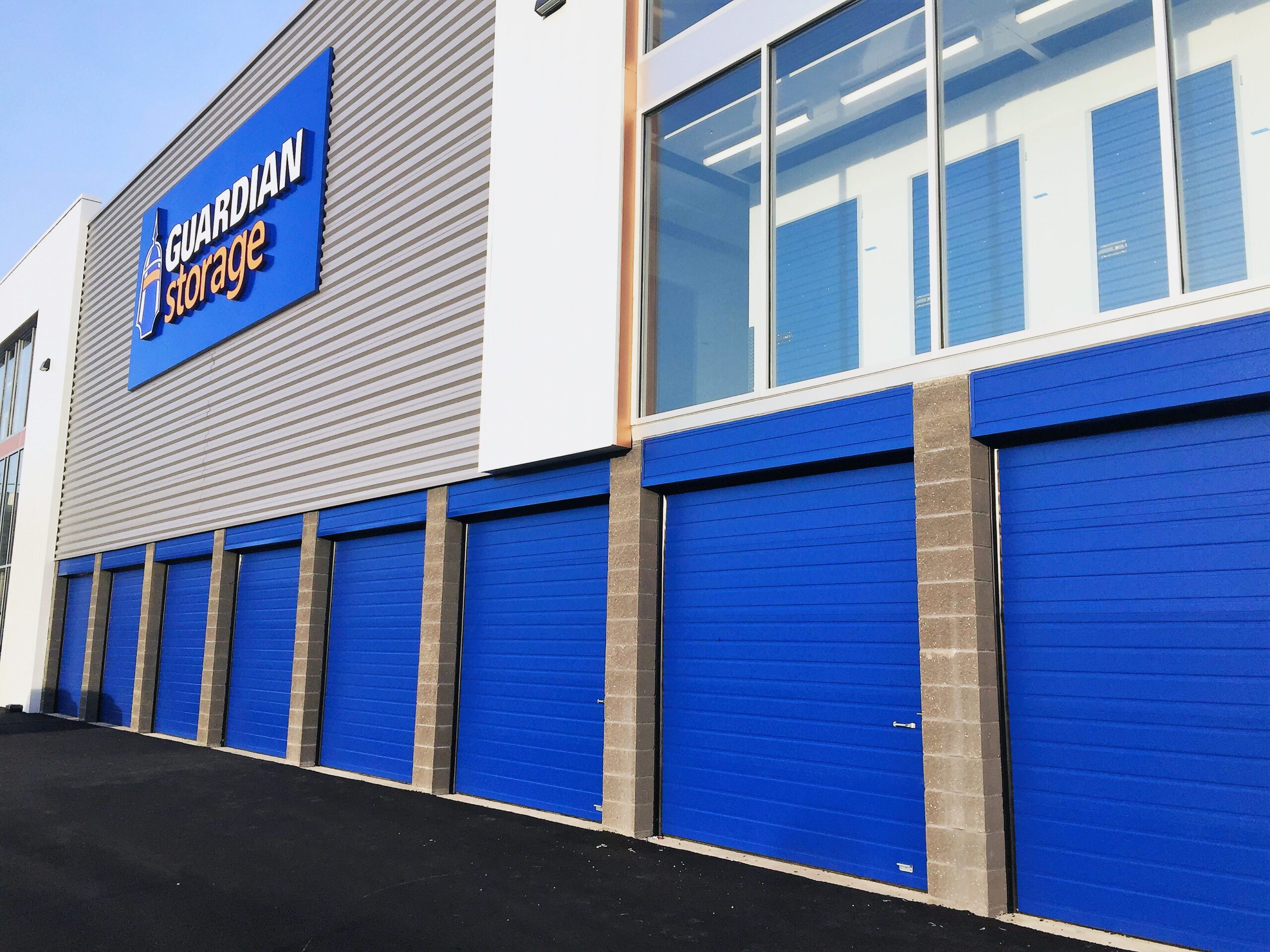
Guardian Storage offers clean, secure storage units in multiple sizes to support both short-term transitions and long-term space management. Whether you need room for seasonal items, furniture, or life transitions, finding the right storage solution can help your home feel more functional and easier to live in.