

Why People Use Storage Even When They’re Not Moving
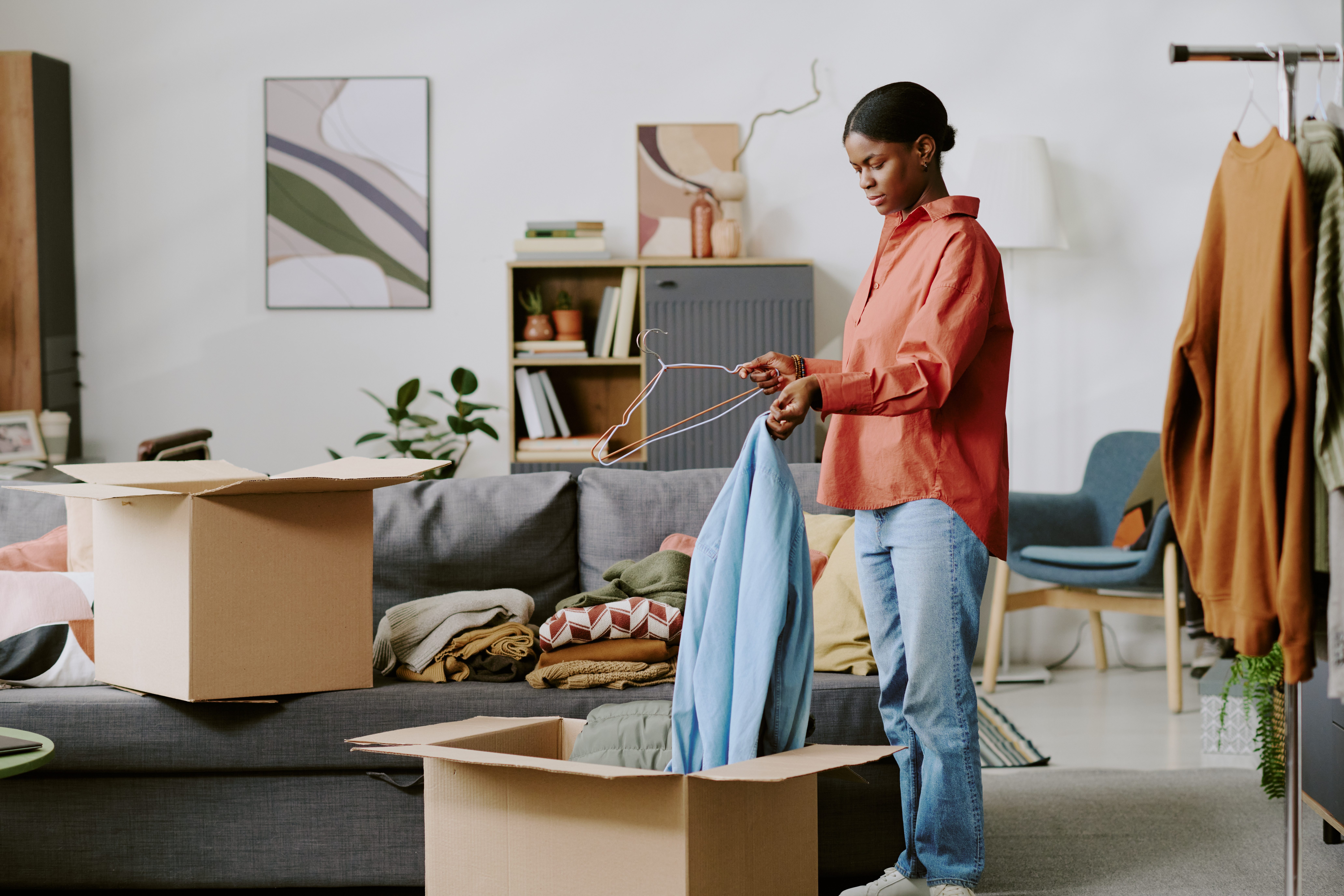
Storage Isn’t Just for Moving—It’s Part of How People Manage Space
When most people think about renting a storage unit, they immediately associate it with moving. It makes sense—packing up an entire home or transitioning between spaces is one of the most obvious times you need extra room. But in reality, moving is only one of many reasons people turn to self storage.
Today, more people are using storage as part of their everyday lives, not just during major transitions. Whether it’s staying organized, managing seasonal items, or creating more usable space at home, storage has become a practical solution that fits into long-term routines.
If you’ve ever wondered whether storage is only for moving, the answer is no. In fact, many renters use storage for months—or even years—without ever planning a move. It’s less about a one-time need and more about creating a system that works.
Why Do People Use Storage If They’re Not Moving?
The simple answer is that life doesn’t stay static. Even when you’re not relocating, your space, your needs, and your routines are constantly changing. Over time, it becomes harder to keep everything organized within the limits of your home.
Instead of forcing everything to fit into one space, people use storage to create flexibility. It allows them to keep what they need close by while storing the rest in a way that doesn’t interfere with daily life.
Some of the most common reasons include:
- Making room in smaller living spaces
- Keeping seasonal items out of the way
- Holding onto belongings during life changes
- Creating a more organized and functional home
These aren’t temporary situations—they’re ongoing realities, which is why storage becomes a long-term solution rather than a short-term fix.
When Does Storage Make Sense Without a Move?
There are many situations where storage makes sense even when you’re staying in the same place. These moments often happen gradually, which is why storage becomes part of a routine rather than a reaction.
Seasonal Transitions
As the seasons change, so do the items you use every day. Winter coats, holiday decorations, patio furniture, and outdoor gear all rotate in and out throughout the year.
Instead of overcrowding closets and garages, many people use storage to keep off-season items out of the way. This helps maintain a clean and organized home without constantly rearranging everything.
Living in a Smaller Space
Apartments, townhomes, and smaller houses often don’t have enough room for everything people want to keep. Rather than getting rid of important belongings, storage provides a way to hold onto those items without sacrificing living space.
This is especially helpful for:
- Extra furniture
- Sentimental items
- Hobby or recreational equipment
Life Transitions That Don’t Involve Moving
Not every life change comes with a new address. People often go through transitions where they need to adjust their space but aren’t relocating.
Examples include:
- Combining households
- Clearing space for a home office
- Making room for a new baby
- Helping family members store belongings
In these situations, storage becomes a way to adapt without making permanent decisions about what to keep or let go.
How Storage Helps People Stay Organized Year-Round
One of the biggest benefits of using storage outside of moving is the ability to stay organized consistently. Instead of dealing with clutter in cycles, you create a system that works throughout the year.
Storage helps by:
- Reducing overcrowding in closets and living spaces
- Keeping items categorized and easy to find
- Allowing for seasonal rotation without stress
- Making everyday spaces more functional
This approach turns storage into a tool for maintaining order rather than a last-minute solution when things feel out of control.
You might be wondering if storage is worth it if you’re not moving
This is one of the most common questions people have. If you’re not in the middle of a major transition, it can feel unnecessary at first.
But the value of storage isn’t just about immediate need—it’s about long-term convenience. When your home feels easier to manage, when you can access what you need without digging through clutter, and when your space reflects how you actually live, storage starts to make sense in a different way.
It’s not about storing everything—it’s about storing the right things in the right place.
What Types of Items Do People Store Long-Term?
When people use storage outside of moving, they tend to store items that aren’t needed every day but still hold value or purpose. These items often take up more space than expected, making them difficult to keep at home without creating clutter.
Common examples include:
- Seasonal clothing and decorations
- Furniture that doesn’t fit current layouts
- Sports and outdoor equipment
- Business inventory or supplies
- Family keepsakes and important belongings
By moving these items into storage, people can keep their homes focused on daily living rather than long-term storage.
How Do People Use Storage as Part of Their Routine?
For many renters, storage becomes part of a regular routine rather than something they only think about occasionally. This often involves rotating items in and out depending on the season or current needs.
For example:
- Swapping winter and summer clothing
- Rotating holiday decorations throughout the year
- Adjusting stored items as living spaces change
This approach makes storage feel like an extension of the home rather than a separate, disconnected space.
Why Storage Works as a Flexible Solution
One of the biggest advantages of self storage is flexibility. Unlike permanent changes to your home, storage allows you to adjust your setup without making long-term commitments.
This flexibility is especially useful when:
- Your needs change over time
- You’re unsure what you want to keep long-term
- You want to avoid overcrowding your home
Instead of forcing immediate decisions, storage gives you time and space to figure things out.
How Storage Supports a More Comfortable Living Space
A well-organized home isn’t about having less—it’s about using your space in a way that makes sense for your lifestyle. Storage helps create that balance by giving you an option for items that don’t need to be in your immediate environment.
When your home is set up for daily living instead of long-term storage, it becomes easier to:
- Keep spaces clean and open
- Find items quickly
- Maintain organization over time
This is why so many people continue using storage even after their original need has passed.
What most people realize after using storage long-term
Once storage becomes part of a routine, many people find it difficult to go back. The extra space, improved organization, and overall ease make a noticeable difference in daily life.
- Homes feel less cluttered
- Items are easier to manage
- There’s more flexibility when needs change
- Organization becomes easier to maintain
These benefits add up over time, making storage a practical long-term solution rather than a temporary fix.
Making Space Without Changing Where You Live
You don’t have to move to need more space. In many cases, the simplest solution is finding a way to better manage what you already have.
Storage provides that option. It allows you to keep your belongings while creating a home that feels more open, functional, and aligned with your lifestyle.
Instead of feeling limited by your space, you’re creating a system that works for you.