

What to Do With Inherited Items You’re Not Ready For
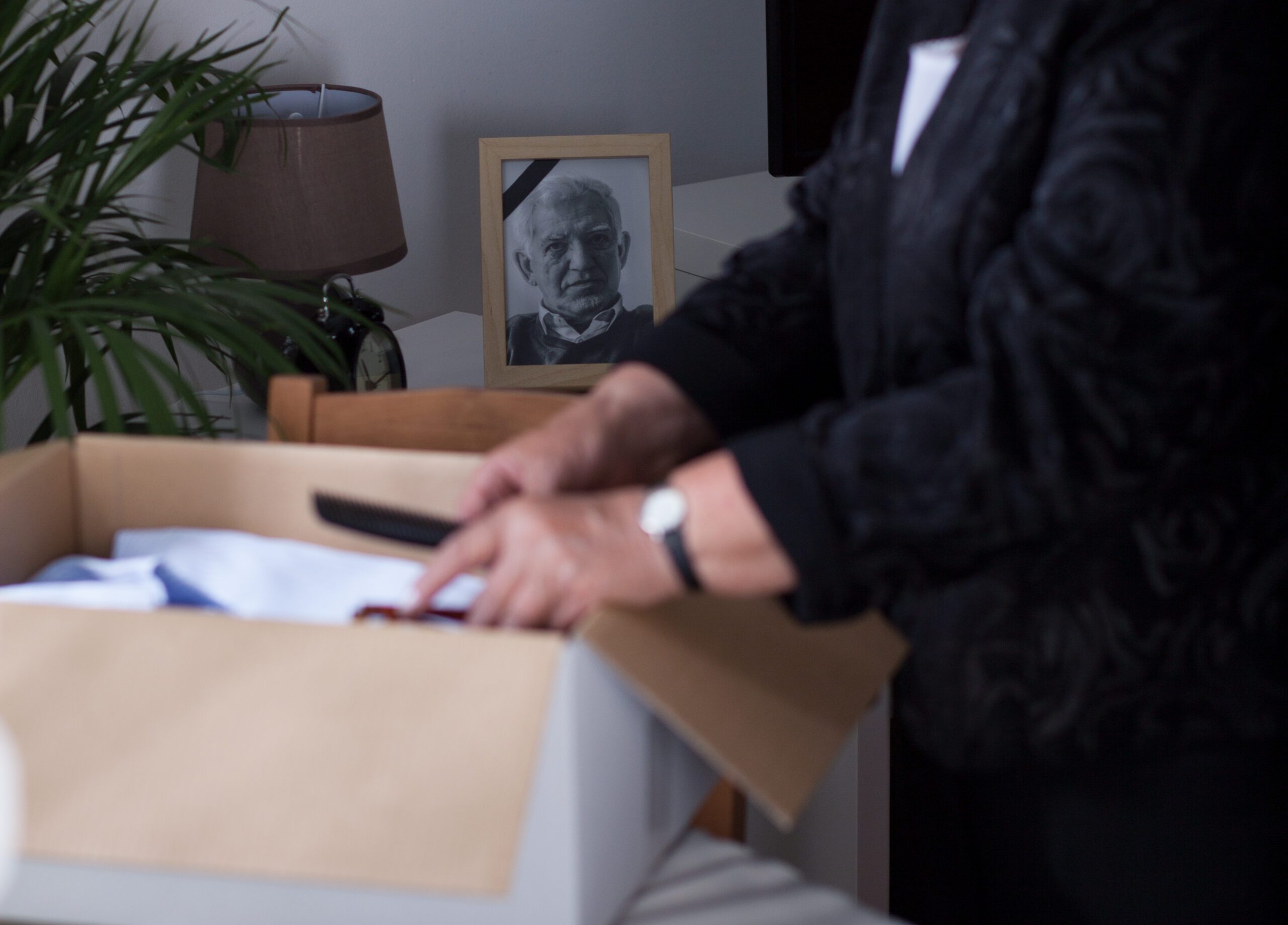
When You’re Not Quite Ready: Gentle Steps for Handling Inherited Items
Sorting through inherited belongings can be one of the most emotional and complicated tasks people face after the loss of a loved one. It often happens during a time when you’re still processing grief, adjusting to changes in your family, and trying to keep everyday life moving forward. Boxes of photos, favorite furniture, handwritten recipes, clothing, tools, and small keepsakes may suddenly become your responsibility. These items carry stories, memories, and sometimes unresolved emotions. For many people, the experience can feel overwhelming.
And the truth is, you don’t have to figure everything out immediately.
If you’ve found yourself surrounded by inherited items and feeling unsure what to do next, know that it’s completely normal. There isn’t a single “right” way to do this, and there isn’t a timeline that says you must sort through everything right away. In fact, giving yourself time and space can lead to better decisions about what truly matters.
For many families, the first step isn’t deciding what to keep or donate. The first step is simply creating a safe place for those items while you catch your breath, protect what matters, and make a plan you can actually follow.
Why It’s Okay to Take Your Time
It’s common to feel pressure to handle inherited belongings quickly, especially when an estate needs to be settled, a home needs to be cleaned out, or family members are asking what will happen next. But emotionally, sorting through meaningful items can take time. Allowing yourself that time is not avoidance. It’s care. It’s pacing. It’s giving yourself room to make decisions you won’t regret later.
When you give yourself permission to slow down, you can often approach the process with greater clarity and less stress. Instead of rushing decisions that may feel regretful later, taking things gradually allows you to:
- Reflect on what truly holds meaning
- Share memories with family members (when you’re ready)
- Preserve important items carefully
- Reduce stress during an already difficult season
Grief and memory are deeply connected. A box of letters or an old jacket can trigger powerful emotions that may not surface until you begin sorting. If you feel drained after just a short session, that’s normal. If you feel stuck, that’s normal too.
What should I do with inherited belongings if I’m not ready to sort them yet?
If you’re not ready, the most helpful approach is to temporarily organize and store items until you feel emotionally prepared. You can protect the belongings, keep them secure, and give yourself time to revisit the decisions later. This is exactly where inheritance storage can be a practical, compassionate solution: it creates a safe “pause button” so you can move forward without forcing yourself to move too fast.
Start With Simple Organization (Not Final Decisions)
If inherited items are currently scattered across multiple rooms or stacked in boxes, the first goal is not perfection. The first goal is stability. You don’t need to sort everything right away. Instead, focus on creating manageable categories that will make the process easier later.
Start with broad groupings. You’re not committing to what stays or goes — you’re simply creating order, protecting items, and reducing the stress of seeing everything all at once.
Sentimental Items
These may include photographs, letters, heirlooms, cards, small personal items, and keepsakes that carry memories. Even if you’re unsure what to do with them long-term, placing them together in clearly labeled containers helps keep them protected and easier to revisit.
Furniture and Household Pieces
Furniture is often one of the hardest categories because it takes up space and can carry strong emotional weight. A dining table, a dresser, a rocking chair, or a set of dishes might be meaningful — but not something you can realistically keep in your home right now. Temporary storage gives you breathing room so you can decide later with a clear head.
Documents and Important Papers
Family documents might include birth certificates, property records, military memorabilia, tax documents, journals, and personal notes. Keep these together and store them carefully in protective containers. If you’re unsure what’s important, set aside a “review later” folder rather than trying to research everything immediately.
Clothing and Personal Belongings
Clothing can carry especially strong emotional connections. Many people find it difficult to decide what to keep right away. If you’re not ready, it can help to pack clothing in breathable containers and store it temporarily so you can return to it later when decisions feel easier.
Is it normal to feel overwhelmed when sorting inherited items?
Yes. Overwhelm is one of the most common feelings people experience during this process. Inherited items can represent a lifetime of memories, and the task can feel emotionally heavy and physically exhausting. Taking breaks, creating simple categories, and using temporary storage can make the process feel less urgent and more manageable.
Protecting Family Heirlooms and Fragile Items
Some inherited belongings require extra care to ensure they remain preserved over time. Delicate items such as antiques, artwork, photo albums, vintage textiles, and paper documents can be damaged quickly if stored improperly.
If you’re not ready to sort through everything right away, it’s still important to protect items from environmental damage. Temperature swings, humidity, sunlight, and pests can slowly break down what you’re trying to preserve. A little preparation now can make a big difference later.
Helpful ways to protect heirlooms until you’re ready include:
- Use acid-free boxes for photos, letters, and documents
- Place photos in archival sleeves (especially older prints)
- Wrap fragile pieces with soft protective materials (avoid newspaper on delicate surfaces)
- Keep items off basement floors and away from direct sunlight
- Avoid attics or garages for items sensitive to heat, cold, or moisture
How can I safely store inherited belongings without damaging them?
Protect items with proper packing materials and keep them in a stable environment. Many families choose inheritance storage in a secure self storage unit, especially for delicate heirlooms, furniture, and keepsakes that could be damaged by damp basements or extreme temperatures.
When Your Home Doesn’t Have Enough Space
Inherited belongings often arrive unexpectedly. You may suddenly be responsible for items from an entire household — furniture, boxes, decor, collections, and personal belongings accumulated over decades. Trying to fit all of that into your current home can quickly create clutter and stress, especially when you’re already dealing with the emotional weight of the situation.
This is one reason self storage can be so helpful during this season. It gives you a place to keep items safe without turning your home into a constant reminder or a daily obstacle course of boxes and furniture.
When families use inheritance storage, the benefits often go beyond space. It can provide:
- Emotional breathing room by removing items from everyday living areas
- Time to make thoughtful decisions without feeling pressured
- Space to share with family so distribution can happen calmly and fairly
- Protection for valuable belongings while plans are being made
Small Steps That Make the Process Feel Lighter
Sorting inherited belongings rarely happens in one afternoon. For many families, it’s a gradual process that unfolds over weeks or months. That’s okay. Instead of trying to accomplish everything at once, focus on steady progress.
You might begin with one small box of photographs, one drawer of letters, or one set of items that feels emotionally “lighter.” Some days you may feel capable; other days you may not. Both are normal. A kind plan is flexible.
Many people also find it helpful to create a simple “decision rhythm,” such as:
- Set a timer for 30–45 minutes
- Choose one category (photos, documents, kitchen items, clothing)
- Stop when the timer ends, even if you could keep going
- Write a quick note about what you did and what comes next
Over time, these small sessions add up. And when you reach a point where decisions feel easier, you’ll be glad you didn’t rush.
What if I’m worried I’ll regret letting go of something?
That fear is common — and it’s one reason temporary storage can be such a helpful bridge. If you’re unsure, you can store the item safely and return to the decision later. Often, time creates clarity. When you revisit items after a few weeks or months, you may feel more confident about what to keep, what to share, and what to release.
How to Decide What to Keep (Without Feeling Guilty)
After you’ve created some basic organization and protected what matters most, the next step is usually the hardest: deciding what stays with you long-term. This is where guilt can show up — guilt about keeping “too much,” guilt about letting go, guilt about how other family members might feel, or guilt about not being able to keep everything.
Here’s the gentle truth: you can honor someone’s memory without keeping every object they owned.
One of the most compassionate ways to approach this is to shift from “keeping everything” to “keeping meaning.” Instead of asking, “Do I keep this?” try asking:
- Does this item carry a memory I want to preserve?
- Would I use this item in a way that honors the person who owned it?
- Is there someone else in the family who would truly cherish it?
- Would a photo of this item preserve the memory just as well?
This isn’t about being cold or practical for the sake of it. It’s about making room for what matters most — without turning grief into clutter that weighs on you every day.
How do I handle inherited items that are meaningful but I can’t keep at home?
If an item feels meaningful but you don’t have space right now, you can keep it safe through inheritance storage. A self storage unit can be a temporary home for furniture, keepsakes, and boxes of memories while you decide how you want to honor them long-term. That decision doesn’t have to happen immediately.
Keeping a Few Treasures Can Mean More Than Keeping Everything
Many people find comfort in choosing a “core collection” of inherited items — a small group of belongings that feels truly representative of the loved one. This could be:
- A recipe box or handwritten cookbook
- A piece of jewelry or a watch
- A framed photo or a meaningful letter
- A quilt, blanket, or handmade item
- A holiday decoration tied to family traditions
These are the items you can keep close, not boxed away, because they hold real meaning and can be part of your life.
If there are additional items you’re not ready to release — but you also can’t keep them in your home — storing them temporarily can reduce pressure. It creates “emotional space” and “physical space” at the same time.
Sharing Inherited Belongings With Family (Without Added Stress)
Family dynamics can add another layer to inherited belongings. Some families are close and collaborative; others find this process tender and complicated. If multiple people are involved, a little structure can reduce misunderstandings and help everyone feel respected.
Here are a few ways families often approach sharing items in a calmer, fairer way:
- Create a shared photo album of items so family members can claim what matters to them
- Set a gentle timeline (weeks, not days) so decisions aren’t rushed
- Use categories (photos, furniture, jewelry, household items) instead of sorting everything at once
- Start with “easy yes” items so progress happens without conflict
If you’re not ready to do family distribution right away, that’s okay. Inheritance storage can be a helpful bridge here too: it gives everyone time to process while keeping the items secure and protected.
What if family members disagree about who should get certain items?
Disagreements are more common than most people admit. If conflict is building, pause the process. Store items safely, document what exists, and revisit the discussion later with clearer communication. Sometimes taking the pressure off the timeline is the best first step toward fairness.
Donating, Selling, or Repurposing Items With Care
Letting go can feel heavy — but it can also be a way of honoring someone’s life. Donating items to organizations that will use them, passing furniture to someone who needs it, or selling items that no one has space for can allow those belongings to have a meaningful second chapter.
When you’re ready to release some items, consider these gentle approaches:
- Donate intentionally to causes the loved one supported or would appreciate
- Repurpose meaningful fabrics or materials into something you can keep (like a quilt or keepsake pillow)
- Take photos of items you can’t keep so the memory remains
- Release in phases rather than all at once
This doesn’t have to be a single “cleanout day.” Many people find it easier to donate a little at a time, returning to the process when they feel emotionally able.
Practical Tips for Storing Inherited Furniture and Household Items
Furniture and household items can be the most difficult category because of size and storage requirements. If you’re storing a table, dresser, chairs, or boxes of household goods, packing and protecting them properly matters.
Helpful tips include:
- Clean furniture before storage to prevent stains from setting over time
- Use protective covers that allow breathability (avoid sealing delicate items in plastic)
- Disassemble larger pieces when possible and store hardware in labeled bags
- Keep heavier items on the bottom and fragile items protected on top
- Create a simple inventory list so you don’t forget what you stored
Where is the best place to store inherited items if I don’t have room at home?
Many families choose a secure self storage unit, especially when they need space quickly and want to keep items protected while they decide what comes next. Inheritance storage can be a practical way to store furniture, heirlooms, and boxes of belongings without turning your home into a storage area.
How Inheritance Storage Can Support You During a Difficult Transition
“Inheritance storage” isn’t just about putting items somewhere else. It’s about creating a safe, stable place for belongings during a season that may feel unstable.
It gives you the freedom to:
- Clear space in your home so daily life feels livable again
- Protect meaningful belongings from damage
- Take your time without pressure
- Sort slowly and thoughtfully, one step at a time
It also allows you to make decisions from a calmer place. Many people find that once the items are safely stored, they can return to the process with more peace and less overwhelm.
A Gentle Way Forward
If you’re not quite ready to sort through inherited items, that’s okay. You don’t have to rush. You don’t have to do everything at once. You can take small steps, protect what matters, and give yourself time to decide what you want to keep, share, donate, or repurpose.
The goal isn’t to “finish the task” as quickly as possible. The goal is to move through it in a way that feels respectful — to your loved one, to your memories, and to yourself.
Storage Success Starts with the Right Space
If you need extra space while you decide what to do with inherited belongings, Guardian Storage can help. Our secure self storage units make it easier to protect furniture, family heirlooms, and sentimental items while you take the time you need.