

Sustainable Fashion: Ethical Clothing Choices and Storage Solutions
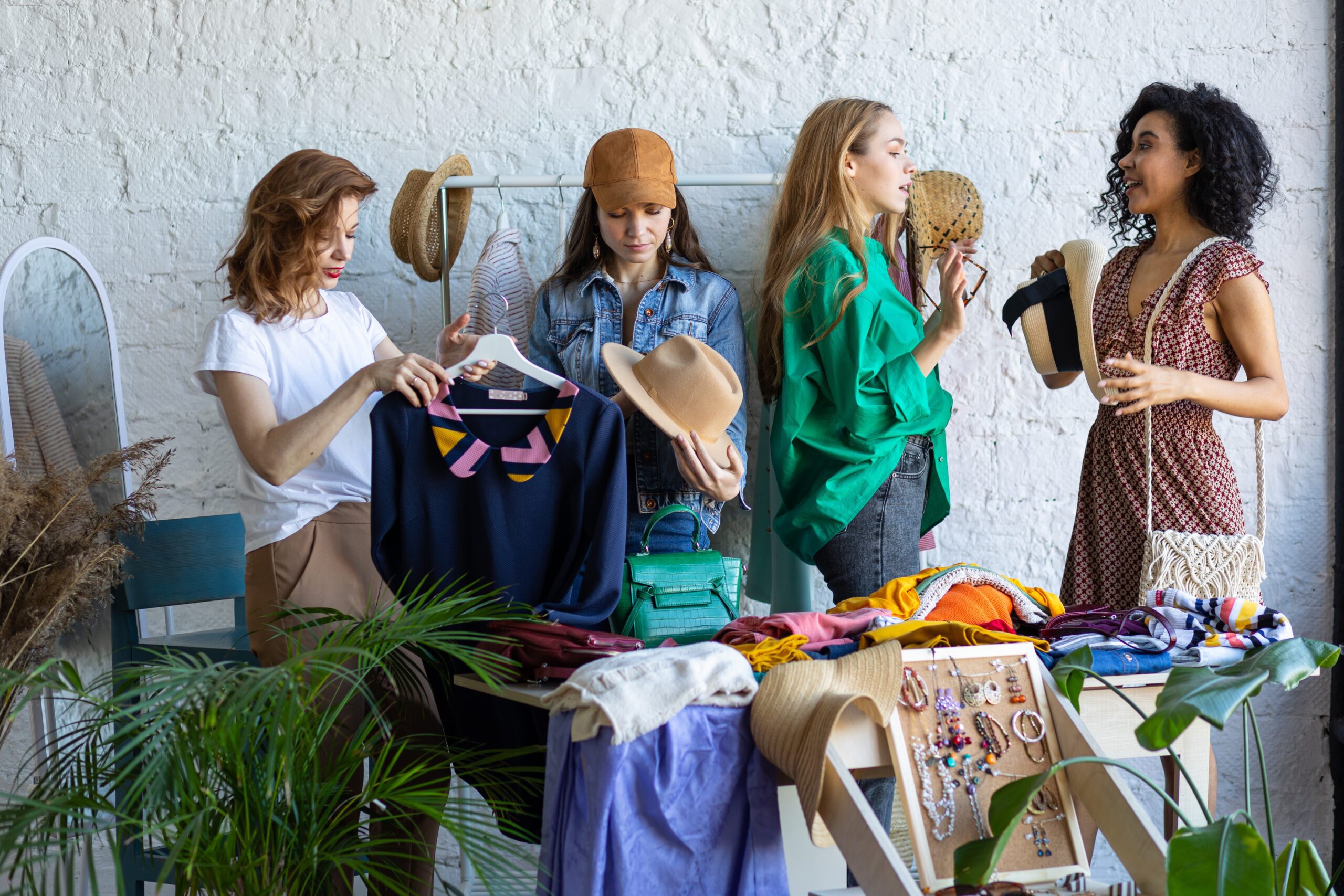
Practical Strategies for Sustainable Wardrobe Management
Sustainable fashion is more than a trend—it’s a long-term commitment to choosing clothing with intention. It’s about caring where items come from, how they’re made, how long they last, and what happens to them when you’re done. It also means building a wardrobe that supports your real life without becoming cluttered, wasteful, or stressful.
For most people, the biggest shift happens when sustainable fashion stops being “buying the perfect eco piece” and becomes everyday habits: buying less, choosing better, repairing when you can, rotating seasonally, and storing properly so clothing lasts. The goal is not to be perfect. The goal is to make choices that reduce waste, protect what you already own, and help you feel good about what’s in your closet.
Below are practical, realistic ways to make ethical clothing choices, reduce unnecessary purchases, and use storage solutions that keep your wardrobe organized and protected year-round.
1) Make Ethical Clothing Choices (What to Look for Before You Buy)
Ethical clothing choices begin with awareness. Clothing impacts people and the environment through materials, labor practices, dyeing/finishing processes, shipping, and disposal. While you may not be able to research every detail, you can create a simple “ethical filter” that helps you make better decisions without overthinking.
Start with transparency
Brands that share where they manufacture, what materials they use, and how workers are treated are easier to trust than brands that reveal nothing. Look for clear information on production locations, factory standards, and labor practices.
Choose materials that align with your values
Many wardrobes are filled with items that look fine but wear out quickly. Choosing better fibers can support longer wear and reduce replacements. When possible, prioritize materials known for durability and comfort, and look for responsible sourcing.
- Organic cotton, hemp, linen, and Tencel/lyocell can be strong choices when responsibly produced.
- Wool and cashmere can last a long time when stored properly and cared for gently.
- Synthetics (like polyester/nylon) can shed microfibers and often hold odor; if you already own them, focus on extending their life rather than replacing everything at once.
Buy for longevity and versatility
The most sustainable item is often the one you will wear repeatedly. Before purchasing, ask: Will I wear this at least 30 times? Does it match what I already own? Can it work for multiple seasons? If the answer is yes, the item earns its place. If not, it may become “closet clutter” quickly—even if it’s labeled sustainable.
Mini checklist for ethical shopping
- Will I wear it often, or is it for a single moment?
- Does it match at least 3 items I already own?
- Does it fit comfortably right now (not “someday”)?
- Is the fabric and construction strong enough to last?
- Is the brand transparent about production and materials?
2) Practice Conscious Consumption (How to Buy Less Without Feeling Restricted)
Conscious consumption is not about never shopping. It’s about shopping with a plan. Many closets get crowded because purchases are made for “future me,” a specific event, or a fleeting trend. Sustainable wardrobes are built when you slow down and decide what you truly need.
Use a “pause” habit
Before buying, pause for 24–72 hours. This creates space between desire and action. Many “must-have” items lose urgency after a short wait. If you still want it after the pause and it fits your wardrobe goals, it’s more likely to be a good purchase.
Try secondhand first
Shopping secondhand reduces demand for new production and helps keep clothing in circulation. Thrift stores, consignment shops, and online resale marketplaces often have high-quality pieces at a lower price point. If you’re looking for something specific (a wool coat, a denim jacket, a black dress), secondhand searching can be surprisingly effective.
Rent or borrow for one-time needs
For special events or short-term style moments, clothing rental and borrowing can prevent one-time purchases from becoming long-term clutter. If you only need an item for a photo, wedding, or trip, renting helps you enjoy the moment without adding permanent volume to your closet.
Keep a “replacement list” instead of impulse buying
If something wears out, write it down. This stops “replacement shopping” from turning into “bonus shopping.” When you replace with intention, you avoid duplicates and keep your wardrobe streamlined.
3) Embrace Minimalism Without the Pressure (Capsule Thinking That Still Feels Like You)
Minimalism doesn’t mean owning very little. It means owning what you actually use and love. Capsule wardrobes work because they reduce decision fatigue: fewer items, more combinations, and less clutter. But a capsule wardrobe doesn’t have to be strict, colorless, or boring.
Build a “core + seasonal” wardrobe
Instead of trying to make everything work all year, create a strong core wardrobe and rotate seasonal pieces. Your core stays steady: basics, go-to jeans, staple shoes, layering pieces. Seasonal adds variety: coats, boots, summer dresses, special occasion items, and holiday looks.
Identify your real lifestyle categories
Many closets are crowded because they reflect an old lifestyle. If you work from home, you may not need a large collection of business formal. If you rarely attend formal events, you don’t need multiple “maybe someday” outfits taking prime closet space. Sustainable fashion is aligned with the life you live now.
- Work / school
- Everyday casual
- Fitness / outdoors
- Special occasions
- Seasonal essentials
Keep your favorites visible
If your favorite items are buried, you forget you own them. That leads to repeat purchases. Store off-season items away so your everyday closet shows the pieces you actually want to wear right now.
4) Storage Solutions That Protect Clothing (And Extend Its Life)
Storage is one of the most overlooked pieces of sustainable fashion. If clothing is stored poorly—crammed, damp, exposed to pests, or folded incorrectly—it wears out faster. Proper storage protects fibers, preserves shape, and helps you keep clothing longer, which reduces waste.
Breathable storage matters
For long-term storage, avoid trapping moisture. Breathable garment bags (cotton or linen) help prevent odor buildup and reduce the risk of mildew. For delicate items, use acid-free tissue paper or clean cotton fabric to cushion folds.
Use the right container for the right item
- Folded knits and sweaters: store flat to prevent stretching.
- Structured jackets and coats: use sturdy hangers to maintain shape.
- Delicates (silk, linen, special pieces): use breathable bags and gentle folding.
- Shoes: keep in dust-free containers, preferably with airflow, and store clean and dry.
Natural pest protection
Cedar blocks and lavender sachets can help deter pests and keep storage areas smelling fresh. Avoid harsh chemical mothballs, especially near fabrics that can absorb odor.
Label for easy access
Labels prevent overbuying. When you can quickly find “Winter Sweaters,” “Holiday Outfits,” or “Formal Wear,” you’re less likely to purchase duplicates because you forgot what you already own.
5) Seasonal Rotation: A Sustainable Habit That Keeps Closets Calm
Seasonal rotation is one of the simplest ways to keep your home organized. When you only keep in-season items in your closet, you reduce clutter, reduce daily decision fatigue, and protect off-season clothing from being crushed or forgotten.
What to rotate out
- Bulky coats and heavy knits when warmer weather returns
- Swimwear, sandals, and lightweight fabrics when temperatures drop
- Holiday outfits and event-specific items after the season
- Accessories that are strictly seasonal (scarves, hats, gloves, beach bags)
How to rotate without chaos
Keep rotation simple: pack off-season items into labeled bins, store them consistently in the same place, and keep a small “transition zone” for unpredictable weather weeks. This keeps your closet functional while still giving you flexibility.
6) Clothing Care Habits That Reduce Waste (Without Turning Into a Full-Time Job)
Sustainable wardrobes aren’t only about purchases—they’re about care. A few basic habits can dramatically extend the lifespan of clothing.
Wash less often when possible
Overwashing fades fabric and weakens fibers. Many items can be worn multiple times before washing, especially when aired out properly. Gentle detergents and cold cycles also help preserve materials.
Store clean items only
Always store clothing clean and completely dry. Oils, stains, and moisture can set over time and attract pests. Even small stains you can’t see well today can become permanent later.
Repair and refresh
- Sew a button instead of replacing the whole item.
- Repair small seams before they become large tears.
- De-pill knits to make them look new again.
- Polish or condition leather to prevent cracking.
7) When Self Storage Supports Sustainable Fashion
Sometimes the most sustainable choice is not getting rid of everything—it’s creating a system that makes your home work better. If your closet is full, your home is small, or you’re trying to rotate seasonally without stuffing every shelf, a clean storage space can help protect clothing and prevent clutter.
Great reasons to store clothing off-site
- Seasonal rotation when closet space is limited
- Protecting delicate fabrics from humidity and temperature swings
- Keeping keepsakes safe without crowding daily spaces
- Storing special occasion outfits until they’re needed
- Creating breathing room during life transitions (moving, downsizing, renovating)
If you’re storing clothing long-term, climate-controlled storage can help keep conditions steadier than a garage, attic, or basement, especially for fabrics and items that don’t do well in fluctuating temperature or moisture.
8) Sustainable Closet Organization Ideas (So You Actually Use What You Own)
A closet can be full and still feel like you have “nothing to wear” if it’s disorganized. Organization supports sustainability by making your wardrobe visible, functional, and easy to maintain.
Simple systems that work
- Hang by category first (tops, pants, dresses), then color for easy visual scanning.
- Keep everyday favorites at eye level; store occasional items higher or lower.
- Use drawer dividers for small items to prevent the “messy pile” effect.
- Create a small donation area so items can leave your space quickly when you’re ready.
The “one in, one out” habit
If something new comes in, something old goes out (donate, sell, or recycle responsibly). This keeps your closet stable and prevents slow accumulation over time.
9) FAQ: Sustainable Fashion and Storage
What is sustainable fashion in simple terms?
Sustainable fashion focuses on reducing harm by choosing better materials, supporting ethical production practices, buying less, and extending the life of clothing through care, repair, and responsible storage.
How does storage make a wardrobe more sustainable?
Proper storage protects clothing from damage and helps keep your wardrobe organized. When you can find what you own and keep it in good condition, you’re less likely to replace items unnecessarily.
Should clothing be stored in plastic bins?
Plastic bins can be useful, especially for short-term or tightly packed spaces, but clothing should be clean and completely dry first. For delicate items, breathable storage options are often better for long-term preservation.
What items benefit most from climate-controlled storage?
Delicates, keepsakes, natural fibers, special occasion clothing, and items sensitive to moisture and temperature changes are often better protected in climate-controlled environments.
Empowering Change: Building a Wardrobe You Feel Good About
Sustainable fashion is about building habits that last. By making ethical clothing choices, practicing conscious consumption, embracing a simpler wardrobe approach, and storing items properly, you can reduce waste and protect the pieces you already love.
The best part is that these changes don’t have to happen all at once. Start with one habit—buying less, rotating seasonally, repairing something you already own, or improving how you store clothing—and build from there. Small shifts add up, and your wardrobe becomes easier to manage, easier to enjoy, and kinder to the world around you.