

Illuminate Your Safety: A Comprehensive Guide to Porch Lights
Porch Light FAQs (Quick Answers)
What type of porch light should I choose for a small entry?
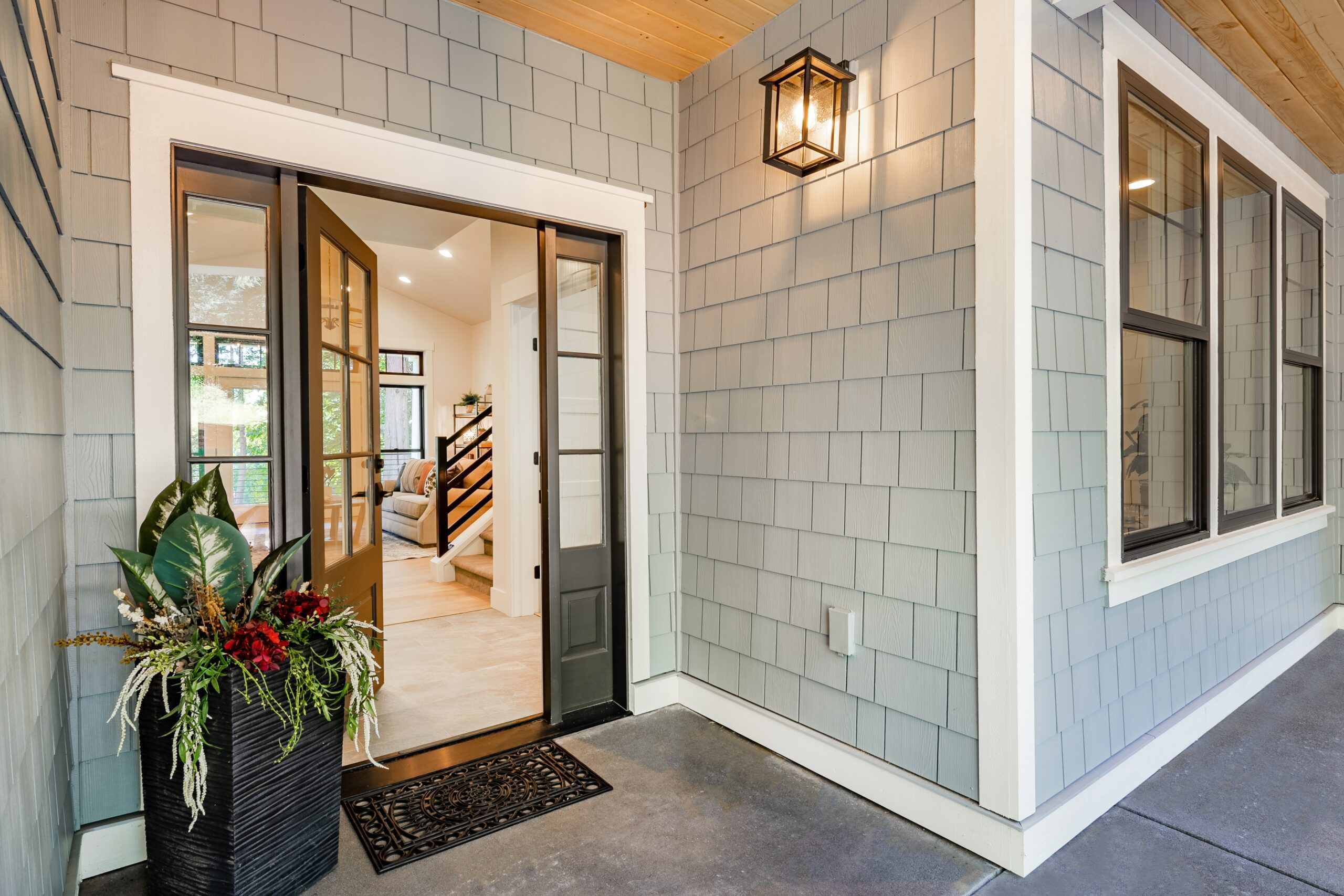
A single, shielded wall sconce placed on the latch side of the door. It targets the lock and threshold without glare.
How bright should my porch light be?
About 800–1100 lumens at the main entry. Add path or step lights to extend visibility instead of using one overly bright source.
What color temperature looks best outside?
Warm-white 2700–3000K creates a welcoming glow and reduces glare compared to cool-white lamps.
Should I get a smart bulb or a smart switch?
Bulbs are quick to test and dim; switches control multiple fixtures on the same circuit. Many homes use both.
How do I size a sconce to my door?
As a rule of thumb, one sconce ≈ 1/3 of door height; for two sconces, each ≈ 1/4 of door height.
How to Choose the Right Porch Light for Your Home
The right porch light does more than brighten your front door—it guides visitors to the entry, highlights the lock and house numbers, and sets the tone for your home from the street. This guide shows you exactly how to select, size, and position a porch light that looks great and works beautifully every night.
Step 1: Pick the Best Fixture Type
Begin with your porch’s layout and ceiling condition. Choose the fixture family that fits your space before you think about finishes or styles.
- Wall Sconce (most common): Mounts beside the door; easy to service and control glare. Ideal for narrow entries and single doors.
- Pair of Sconces: One on each side of a wider or double door for balanced illumination and fewer harsh shadows.
- Ceiling Flush or Semi-Flush: Best for low ceilings or shallow stoops where wall space is tight.
- Pendant/Ceiling Mount: Great for covered porches with higher ceilings; places light forward and down across the threshold.
- Integrated Motion/Photocell Fixtures: Useful where wiring for separate controls is limited; look for adjustable sensitivity.
Step 2: Choose the Right Brightness and Color
Light quality matters as much as the look of the fixture. Aim for comfortable, even light rather than raw intensity.
- Brightness (Lumens): Target about 800–1100 lumens at the main entry. Add path or step lights to extend visibility instead of over-brightening one source.
- Color Temperature (Kelvin): 2700–3000K warm-white appears welcoming, reduces glare, and preserves night vision better than cooler tones.
- Color Rendering (CRI): Choose CRI ≥ 80 so colors (like paint, plants, and hardware) look natural at night.
- LED First: LEDs offer long life, low energy use, and consistent color. Prefer outdoor-rated bulbs or integrated LED fixtures.
Step 3: Size the Fixture to the Door
Right-sized fixtures look intentional and distribute light where you need it.
- Single Sconce: About 1/3 of door height is a reliable starting point.
- Two Sconces: Each around 1/4 of door height to keep proportions balanced.
- Ceiling Fixtures: Choose a diameter or width that visually centers over the threshold without crowding the headspace.
Step 4: Place for Function and Comfort
Use placement rules to improve visibility at the lock and first step—without shining light into eyes or the street.
- Mounting Height: Position the light source roughly 66–72 inches above the porch floor.
- Aim: Focus light on the lock, threshold, and first step. Avoid bare bulbs at eye level.
- Address Numbers: Ensure your numbers are visible from the curb; keep foliage and décor clear of the beam.
- Glare Control: Favor shielded designs, frosted/seeded glass, and downward distribution.
Step 5: Match Style to Your Home
Form should support function—but it should also complement your architecture.
- Traditional/Colonial: Lantern and seeded-glass sconces with warm finishes (bronze, brass).
- Modern/Contemporary: Clean, geometric shapes, matte black, or brushed metal; full cut-off down-lights.
- Farmhouse/Cottage: Barn-style shades or curving arms; galvanized, bronze, or textured finishes.
- Coastal: Corrosion-resistant materials and sealed, “wet location” ratings.
Quick Reference: Which Fixture Fits Your Porch?
| Porch Setup | Recommended Fixture | Why It Works |
|---|---|---|
| Narrow single door | One shielded sconce (latch side) | Targets the lock and threshold with minimal glare. |
| Double door / wide entry | Pair of sconces | Balances the light and reduces harsh center shadows. |
| Covered porch with height | Pendant or semi-flush ceiling | Spreads light forward and down across the threshold. |
| Low ceiling / compact stoop | Flush ceiling fixture | Keeps sight lines open; avoids door interference. |
| Dark-sky priorities | Full cut-off down-light | Limits uplight and glare; neighbor-friendly. |
Controls and Automation (Set It and Forget It)
- Dusk-to-Dawn Sensors: Turn lights on at sunset and off at sunrise automatically.
- Motion Sensors: Brighten only when someone approaches; choose adjustable sensitivity and duration.
- Smart Bulbs vs. Smart Switches: Bulbs are fast to test and dim; switches control the whole circuit and multiple fixtures.
- Timers & Schedules: Create consistent lighting habits and reduce energy waste.
Installation Tips (Before You Drill)
- Confirm the fixture is rated for outdoor “wet” or “damp” locations as needed.
- Shut off power at the breaker; use a voltage tester before touching wiring.
- Seal exterior penetrations with outdoor-rated caulk or gaskets.
- Use corrosion-resistant hardware in coastal or damp climates.
Maintenance Cheat Sheet
- Wipe lenses and housings; dust reduces output and increases glare.
- Trim foliage that blocks beams or shadow house numbers.
- Test sensors and replace worn gaskets to keep water out.
- Keep spare outdoor-rated LED bulbs on hand for quick swaps.
Troubleshooting: Fast Fixes to Common Complaints
- “The step is still dark.”
- Add a step or path light; don’t just increase the sconce brightness.
- “The porch feels too harsh.”
- Switch to 2700–3000K warm-white and use frosted/seeded glass to diffuse the beam.
- “Address numbers disappear at night.”
- Re-aim the light or add a small, focused wash; clear plants and décor from the beam.
- “Bugs gather at the door.”
- Use warmer LEDs and position light slightly forward/down to draw insects away from the threshold.
- “Motion sensor triggers constantly.”
- Narrow the detection zone, lower sensitivity, or reposition to avoid street traffic.
Storage Success Starts with the Right Space
Choosing the right porch light is easier when your entry is uncluttered and clear. Store off-season décor, extra extension cords, and bulky items so pathways stay open and your new fixture can shine.