

How to Make a Rental Feel Like Home
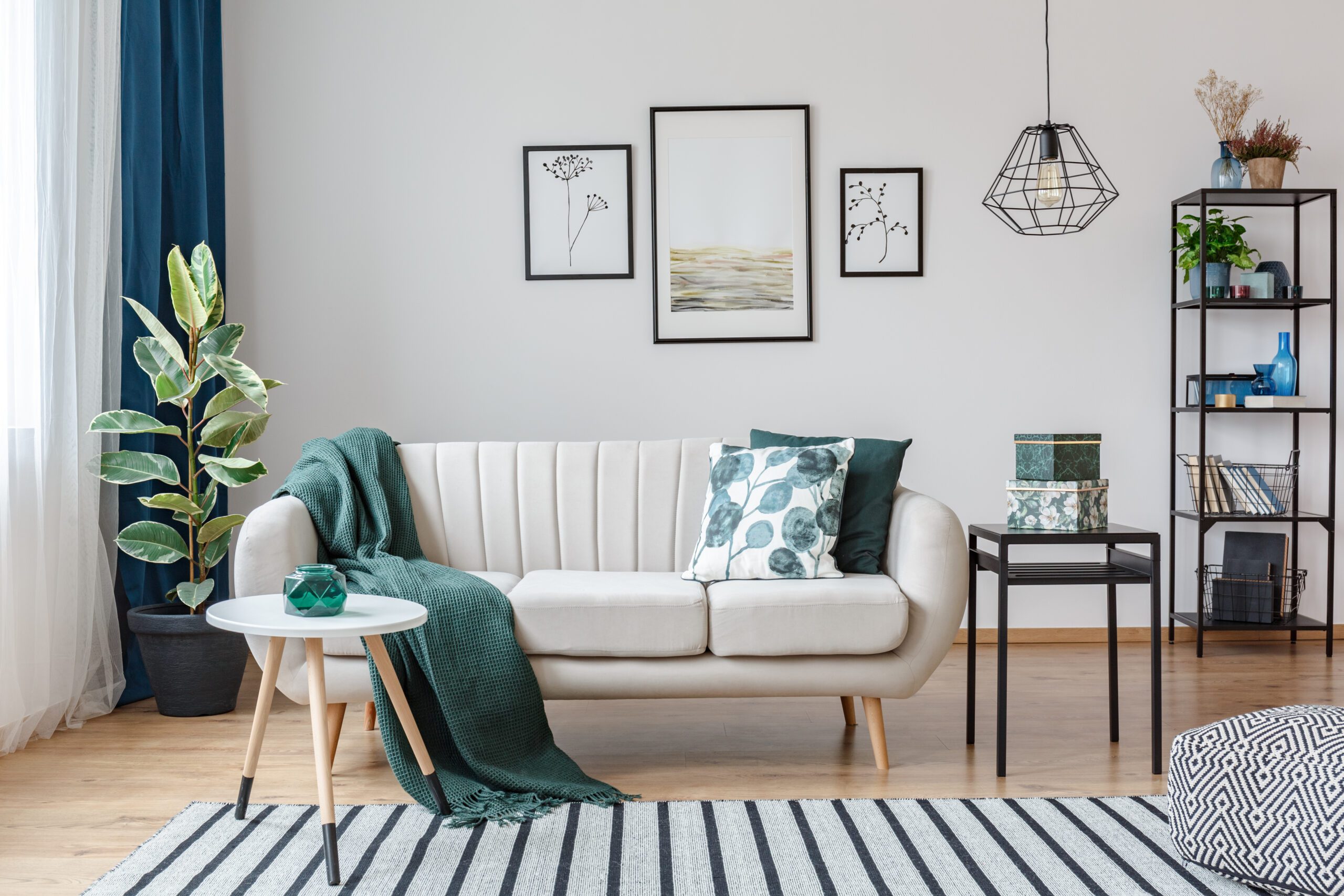
Small, Renter-Friendly Changes That Help You Settle In Faster
Renting a home or apartment is a practical choice for many stages of life. Whether you are relocating for work, exploring a new city, downsizing, or simply not ready to commit to homeownership, renting offers flexibility that can make transitions easier. At the same time, moving into a space you do not own can feel emotionally different than settling into a permanent home. You may like the location, appreciate the layout, and enjoy the neighborhood, yet still feel like something is missing.
That missing feeling is often less about the physical space and more about how connected you feel to it. Rentals can feel temporary by nature, which can make it harder to settle in emotionally. Blank walls, unfamiliar rooms, and boxes that linger longer than expected can all contribute to the sense that you are “in between” homes rather than truly at home.
The good news is that comfort does not come from ownership alone. Feeling at home is about how your space supports your daily routines, reflects your personality, and allows you to move through your day with ease. Even with typical rental restrictions, there are many ways to create a space that feels familiar, comfortable, and lived-in. This guide walks through practical, renter-friendly strategies to help you create that sense of home wherever you are living.
Why Rentals Don’t Always Feel Like “Home” at First
The Psychology of Temporary Living
Moving into a new rental disrupts more than just your address. It interrupts your routines, habits, and sense of spatial familiarity. The way you move through your morning, where you drop your keys, how you wind down in the evening — all of these patterns are tied to the layout and flow of your home. When those patterns are suddenly reset, it can take time for a space to feel natural again.
Rentals add another layer of complexity because they often come with rules around what you can and cannot change. Knowing that walls cannot be painted or fixtures cannot be altered can create an unintentional emotional barrier. Some renters delay unpacking, decorating, or personalizing their space because they do not see it as “theirs” in a long-term sense.
This temporary mindset can keep a space feeling temporary. When you treat your home as a short stop rather than a place to fully settle, it can prevent you from forming a strong sense of comfort and belonging. Recognizing this pattern is the first step toward shifting it.
How Environment Shapes Comfort
Your environment plays a powerful role in how you feel day to day. A space that is cluttered, unfinished, or overly generic can subtly increase stress and make it harder to relax. On the other hand, a space that reflects your habits and preferences can provide a sense of stability, even if you know you will not live there forever.
Feeling at home is not about perfection. It is about alignment — when your surroundings support how you live, rest, work, and recharge. Even small adjustments can change how a rental feels emotionally, helping you feel more settled in your everyday routines.
Start With the Basics: Unpack and Claim Your Space
Why Unpacking Quickly Matters
One of the most overlooked steps in settling into a rental is unpacking fully and intentionally. Living out of boxes sends a constant signal that you are still in transition. When belongings are stacked in corners or left in temporary places, your space cannot function as a home. It becomes a holding zone rather than a living environment.
Unpacking does not require perfection. The goal is to give your belongings a place to land so that your home begins to operate around your daily routines. You can always refine and reorganize later as you learn how you use the space. What matters is moving out of the “in between” phase as soon as possible.
Create Functional Zones as You Unpack
As you unpack, think about how you want each room to function. Rentals often have layouts that do not perfectly match how people live, so this is an opportunity to be intentional. Identify where everyday items should live and create simple systems that support your habits.
- Place keys, bags, and shoes in a consistent spot near the entry.
- Set up a basic kitchen flow so frequently used items are easy to reach.
- Organize your bedroom so nighttime and morning routines feel simple.
When each area has a purpose, your space begins to feel more intuitive. This sense of functionality helps your home feel supportive rather than frustrating.
Design Around Your “Happy Spots”
Identify Your Daily Anchor Areas
Not every room in your rental needs to be perfect right away. Instead of trying to tackle everything at once, focus on the spaces you use most. These “happy spots” anchor your daily experience and have the biggest influence on how your home feels.
Your happy spots might include:
- The couch where you relax in the evenings
- The kitchen counter where you prepare meals
- The bedroom where you recharge
- A small corner where you read or work
When these core areas feel comfortable and functional, your entire home often feels more livable, even if other rooms are still evolving.
Build Comfort Into Your Most-Used Spaces
Start by making small improvements in these key areas. Adjust lighting so it suits how you use the space. Add pillows or throws to seating areas. Make sure your most-used surfaces are clear and easy to access. These changes may seem minor, but they influence how relaxed and supported you feel throughout the day.
Once your happy spots are set up, it becomes easier to slowly improve the rest of your home without feeling overwhelmed.
Add Plants to Bring Life Into Your Space
How Greenery Changes How a Space Feels
Plants introduce a sense of life and movement into a home. Even in rentals with neutral finishes, greenery adds color, texture, and warmth. Plants help soften edges, fill empty corners, and make rooms feel more lived-in.
Beyond aesthetics, caring for plants creates a small but meaningful routine. Watering, adjusting light, and watching plants grow can help you feel more connected to your environment. This sense of care contributes to emotional comfort, which is a key part of feeling at home.
Simple Ways to Add Greenery
If you are new to houseplants, start with low-maintenance options. Choose plants that tolerate a range of light conditions and require minimal care. Place greenery in areas where your space feels empty or flat, such as windowsills, shelves, or corners.
Plants are also easy to take with you when you move, creating a sense of continuity from one home to the next. Over time, familiar elements like your favorite plants can help each new rental feel more grounded.
Make Walls Feel Personal Without Breaking Lease Rules
Rental-Friendly Wall Styling Ideas
Blank walls can make a rental feel cold or unfinished. While many leases restrict painting or permanent fixtures, there are still ways to personalize your walls without causing damage. Removable hooks, adhesive strips, and renter-friendly mounting solutions make it possible to hang art, photos, and decor safely.
Displaying personal photos, framed prints, or artwork that reflects your style instantly shifts the emotional tone of a room. These visual cues remind you that the space belongs to you, even if temporarily.
Use Soft Decor to Add Warmth
Textiles can also play a role in warming up wall spaces. Lightweight fabric hangings, removable wall panels, or framed textiles add texture without permanent changes. These elements break up large blank areas and help your rental feel thoughtfully styled rather than generic.
Simple Rental-Friendly Updates That Change How Your Space Feels
Small Upgrades With Big Impact
While major renovations are usually off-limits in rentals, small reversible updates can make a noticeable difference in how your space functions. Swapping out cabinet hardware, changing showerheads, or using plug-in lighting can modernize a space without permanent alterations.
When making temporary upgrades, store original fixtures safely so they can be reinstalled before you move out. This allows you to enjoy small comforts while respecting lease agreements.
These updates may seem minor, but they can significantly improve daily routines and help your rental feel more aligned with your preferences.
Invest in Furniture That Supports Long-Term Comfort
Why Temporary Furniture Makes Homes Feel Temporary
Choosing low-quality or purely short-term furniture can unintentionally reinforce the feeling that your rental is a placeholder. Over time, uncomfortable or poorly fitting furniture can make your home feel less inviting.
Investing in furniture that you enjoy and plan to use long term creates continuity across moves. When familiar pieces travel with you, each new rental feels more like an extension of your lifestyle rather than a brand-new starting point.
Choose Pieces That Adapt to Different Spaces
Look for furniture that is flexible and adaptable to different layouts. Modular seating, compact storage pieces, and versatile tables can work in a variety of spaces. This flexibility makes future moves easier and helps maintain a consistent sense of home over time.
Use Temporary Wallpaper and Texture to Personalize Your Rental
One of the biggest challenges renters face is living with blank, neutral walls that were never chosen with personal style in mind. White or beige walls may be practical for landlords, but they can make a space feel generic and disconnected from your personality. The good news is that modern renter-friendly design options allow you to introduce color, texture, and pattern without violating lease agreements or risking damage.
Temporary wallpaper, peel-and-stick decals, and removable wall treatments have become increasingly popular because they offer visual impact without long-term commitment. These solutions are designed to adhere securely to walls while remaining easy to remove when it’s time to move out.
Where Temporary Wallpaper Makes the Biggest Impact
You don’t need to cover every wall to make a rental feel more like home. Strategic placement can completely change the mood of a room while keeping updates simple and reversible.
- Accent walls: Add pattern or color behind a sofa, bed, or dining table to create a focal point without overwhelming the room.
- Entryway features: A small wallpapered section near your front door can make coming home feel more intentional and welcoming.
- Closets and nooks: Lining the back of shelves or the inside of closets adds personality to functional spaces you use daily.
Textures such as faux brick, woodgrain, or fabric-inspired patterns can also introduce warmth to otherwise flat surfaces. Even subtle texture changes can make a rental feel more thoughtfully designed.
Layering Texture Beyond the Walls
Texture doesn’t have to come only from wall treatments. You can soften and personalize your rental by layering tactile elements throughout your space.
- Area rugs: Define rooms, add warmth, and reduce echo in apartments with hard floors.
- Throw pillows and blankets: Add comfort and color to seating and beds.
- Fabric wall hangings: These add softness and visual interest without nails or permanent hooks.
When these elements work together, they create visual depth that makes your rental feel styled rather than temporary.
Your Bed as an Emotional Anchor in a New Space
When you move into a rental, everything can feel unfamiliar at first. One of the fastest ways to create emotional comfort is by prioritizing your bedroom — specifically your bed. Your bed is the place where you begin and end each day, making it one of the most powerful anchors for feeling grounded in a new environment.
Why the Bed Matters More Than You Think
Comfort is emotional as much as it is physical. When your bed feels familiar, inviting, and comfortable, the rest of your home often feels easier to settle into. This is especially important when adjusting to a new neighborhood, commute, or routine.
Instead of treating your bed as a temporary setup because you’re renting, think of it as a core part of your long-term comfort. Quality bedding, pillows that suit your sleep style, and a supportive mattress or mattress topper all contribute to making your rental feel like a place you truly live — not just occupy.
Small Bed Upgrades That Make a Big Difference
- Layered bedding: Use sheets, a comforter, and an extra throw or quilt to create visual and physical comfort.
- Headboard alternatives: If your rental doesn’t allow mounting hardware, consider a freestanding headboard or a fabric wall panel.
- Lighting near the bed: Bedside lamps or wall-mounted plug-in sconces create a cozy nighttime routine.
These small adjustments can turn your bedroom into a personal retreat, helping your rental feel emotionally safe and familiar much faster.
Hosting to Create Emotional Ownership of Your Rental
One of the most overlooked ways to make a rental feel like home is to use it as a place where life actually happens. Inviting people into your space transforms it from “where you live” into “where memories are made.” Hosting doesn’t require perfection — it simply requires presence.
Why Hosting Changes How You Feel About Your Space
When you host friends or family, your rental becomes associated with laughter, shared meals, and meaningful moments. This emotional layer is what turns a space into a home. Even casual get-togethers — coffee with a friend, movie night, or a small dinner — create familiarity and comfort within your walls.
You don’t need a perfectly decorated space to host. In fact, hosting often reveals what works well and what might need improvement in your layout or organization.
Simple Ways to Host Without Stress
- Start small: Invite one or two people rather than planning a large gathering.
- Use flexible seating: Floor cushions, folding chairs, or ottomans make hosting easy in small spaces.
- Focus on shared moments: Board games, shared meals, or casual conversations matter more than décor.
Hosting helps you emotionally claim your rental as your own, even if you know you won’t live there forever.
Storage Strategy for Renters: Create Space Without Getting Rid of Everything
One of the main reasons rentals feel cluttered is not because people own too much, but because rentals often lack built-in storage. Closets may be smaller, cabinets limited, and garages unavailable. This can make everyday items pile up quickly.
Creating a thoughtful storage strategy allows you to keep what matters while still maintaining a functional living environment.
Identify What You Use vs. What You Store
Not everything you own needs to live within your daily living space. Seasonal clothing, holiday décor, extra furniture, and hobby items don’t need to compete with everyday essentials.
- Daily-use items: Keep these easily accessible in your rental.
- Occasional-use items: Store in under-bed bins, closet organizers, or shelving.
- Rarely-used items: Consider storing outside your living space to reduce visual clutter.
Why External Storage Helps Renters Breathe Easier
Using a self storage unit can be especially helpful for renters who want to maintain flexibility without constantly purging belongings. External storage allows you to:
- Keep your living space visually lighter
- Rotate seasonal items easily
- Store furniture between moves
- Hold onto meaningful belongings without overcrowding your home
By separating what you use daily from what you need occasionally, your rental can function more like a thoughtfully designed home rather than a storage space.
Developing a Long-Term Renter Mindset
Even if you plan to rent for a short period, treating your rental as a temporary placeholder often prevents you from fully settling in. A long-term renter mindset doesn’t mean you plan to stay forever — it means you allow yourself to live well where you are now.
Why Temporary Thinking Keeps Homes Feeling Temporary
When renters avoid personalizing their space because they expect to move again soon, the home can feel emotionally unfinished. This can impact daily comfort, rest, and overall satisfaction with your living environment.
Instead, think of your rental as one chapter in your home journey. Each chapter deserves care and intention, even if it isn’t permanent.
Invest in What Moves With You
- Furniture you can take with you
- Décor that reflects your personal style
- Organization systems that adapt to new layouts
These investments carry forward into future homes, making every move easier and every new space faster to settle into.
Turning a Rental Into a Place You Truly Live
Making a rental feel like home isn’t about breaking rules or making permanent changes. It’s about layering comfort, personalization, and intentional organization into the space you live in right now. Unpacking fully, focusing on your favorite spaces, adding texture and warmth, prioritizing comfort, and creating emotional ownership through hosting all contribute to making a rental feel lived-in and meaningful.
When combined with thoughtful storage strategies and a mindset that values your current living space, rentals can become supportive environments rather than temporary holding places between moves.
Storage Success Starts With the Right Space
Creating a home that feels comfortable often starts with having enough room for the things you use every day. If your rental feels tight, crowded, or difficult to organize, moving seasonal items, extra furniture, or rarely used belongings into self storage can help create the breathing room your home needs.