

15 Ideas to Redo Your Kitchen Cabinets
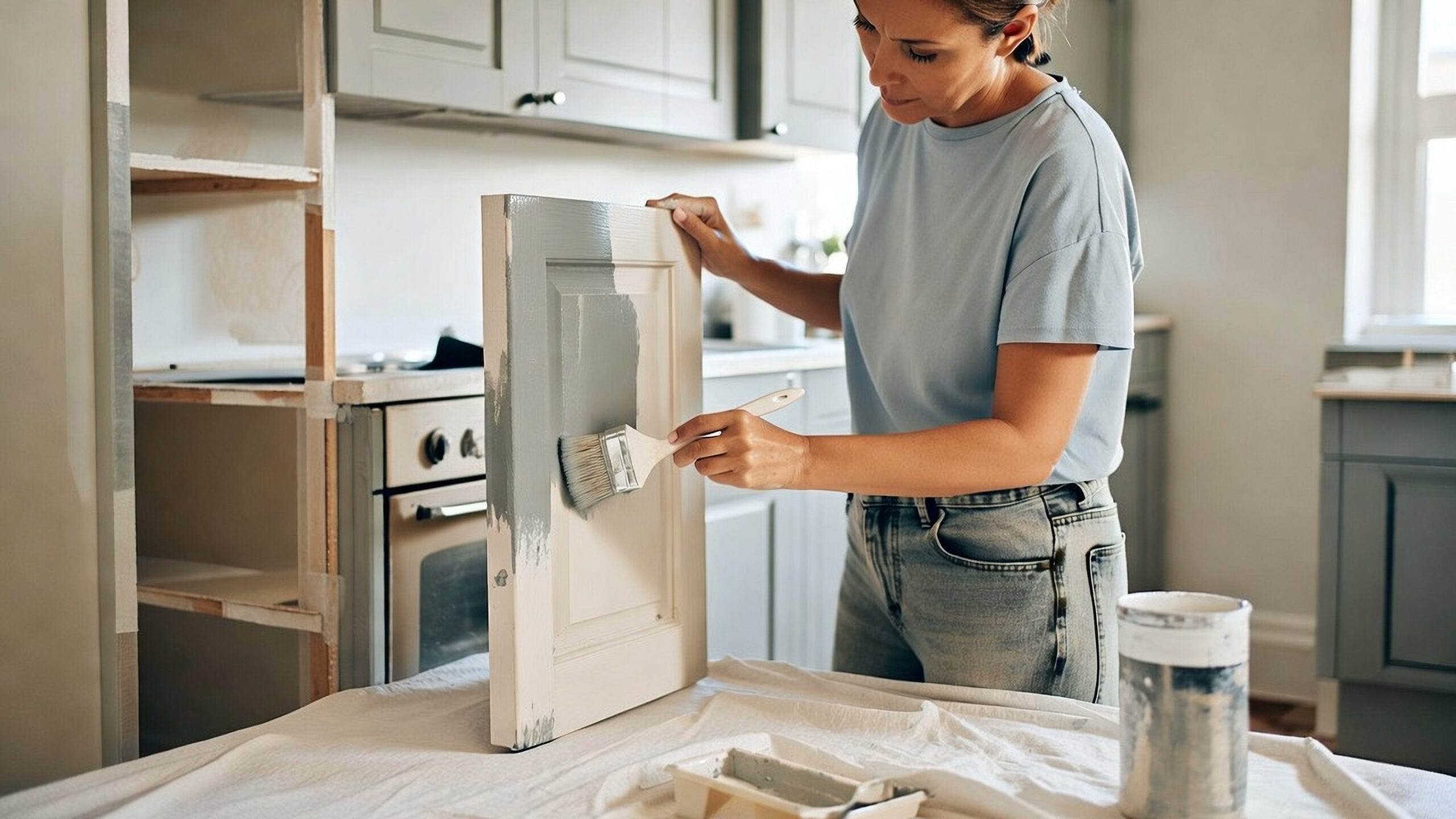
Refresh Your Cabinets Without Replacing Them
Kitchen cabinets define the look and function of your kitchen more than almost any other design element. They take up a large portion of your visual space, they store most of your everyday essentials, and they influence how easy or frustrating it is to cook, clean, and stay organized. When cabinets start to feel outdated, worn, or impractical, it’s easy to assume a full renovation is the only solution. In reality, many homeowners and renters are discovering that refreshing existing cabinets can deliver dramatic results without the cost, disruption, and long timelines of full cabinet replacement.
Nowadays, the way people approach home upgrades has shifted. Rising renovation costs, longer contractor wait times, and a growing interest in sustainable design have made cabinet refresh projects more popular than ever. Instead of tearing everything out, people are looking for smarter ways to modernize what they already have. A cabinet refresh can improve how your kitchen looks, how it functions, and how it feels to use every day — all without the financial and logistical burden of a full remodel.
This guide focuses on practical, flexible ways to redo kitchen cabinets without replacing them. Whether you own your home, rent with permission to make small upgrades, or are preparing a property for sale, these strategies help you stretch your budget while still achieving meaningful visual and functional upgrades. The goal isn’t perfection — it’s creating a kitchen that works better for your real life.
Before diving into the specific cabinet refresh ideas, it’s important to understand that cabinet updates work best when they’re approached with a little planning. Even small changes can create temporary chaos in your kitchen, especially when doors are removed, paint is drying, or hardware is being swapped. Taking a thoughtful approach from the start helps prevent rushed decisions, wasted money, and unnecessary frustration.
Plan Your Cabinet Refresh Before You Start
Refreshing your kitchen cabinets doesn’t require a full renovation plan, but it does benefit from some upfront thinking. Cabinets are both structural and visual components of your kitchen. Even surface-level upgrades can affect how you use your space day to day. Before choosing paint colors or ordering new hardware, take time to assess what you actually want to improve.
Start by evaluating the condition of your existing cabinets. If the cabinet boxes are solid, the doors align properly, and the shelving is stable, you’re in a great position to refresh rather than replace. Cosmetic wear, outdated finishes, and old hardware are all relatively easy to address. Structural damage, warped boxes, or moisture-related deterioration may signal that a deeper renovation is needed.
Budget planning is another important step. Cabinet refresh projects can range from very affordable weekend updates to more involved upgrades that approach the cost of partial replacement. Knowing your budget range helps narrow down which strategies make sense. For example, painting cabinets and updating hardware typically costs far less than refacing or replacing doors. Understanding where you want to invest most helps avoid spending heavily in one area while neglecting another that affects daily use more.
Time is also part of the planning equation. Even DIY-friendly projects take longer than most people expect, especially when drying times, prep work, and cleanup are involved. During these projects, your kitchen may be partially unusable. Clearing counters, removing dishes, and temporarily relocating appliances can make the process smoother. Many homeowners find that using temporary storage solutions — whether in another room or in a self storage unit — helps keep their home functional and less cluttered during the refresh process.
15 Redo Kitchen Cabinet Tips
The following cabinet refresh ideas range from simple visual upgrades to more involved functional improvements. You don’t need to do all of them. Even one or two well-chosen changes can dramatically alter how your kitchen looks and feels.
1.) Paint Them
Painting cabinets remains one of the most impactful and cost-effective ways to refresh a kitchen. A fresh coat of paint can completely change the style of your space, whether you’re going for a bright, airy look or a more grounded, modern feel. In 2026, softer neutrals, warm whites, muted greens, and deep charcoal tones continue to trend because they balance longevity with modern appeal.
Proper preparation is what separates a durable cabinet paint job from one that chips and peels. Cleaning grease buildup, lightly sanding surfaces, and using the right primer helps paint adhere properly. Choosing a durable finish designed for cabinetry also matters, since kitchen cabinets endure frequent contact, moisture, and temperature changes. While painting is often considered a DIY project, taking shortcuts here can shorten the lifespan of your refresh.
2.) Add New Hardware
Cabinet hardware may seem like a small detail, but it plays a surprisingly large role in how cabinets feel and function. Swapping out outdated knobs and pulls for modern designs can instantly update the look of your kitchen. Hardware choices also affect ergonomics — larger pulls are easier to grip, and certain shapes work better for heavy drawers.
Mixing finishes is more accepted in modern kitchen design, but it still helps to choose hardware that complements your overall style. Clean-lined black or brushed metal finishes often pair well with both light and dark cabinet colors. The key is consistency across your kitchen so the upgrade feels intentional rather than pieced together.
3.) Install Glass Inserts
Adding glass inserts to select cabinet doors introduces visual openness to your kitchen. This approach works especially well in smaller kitchens, where solid cabinet fronts can make the space feel heavier. Glass-front cabinets allow light to move more freely, creating a more open atmosphere.
This option works best when you’re comfortable keeping the contents of those cabinets organized and visually tidy. Displaying everyday dishware or curated collections can enhance the look of your kitchen, but cluttered shelves can undermine the effect. Glass inserts are often paired with interior lighting for added visual interest and functionality.
4.) Remove Cabinet Doors
Removing some cabinet doors entirely creates an open shelving look that leans into a more casual, lived-in aesthetic. This approach can make a kitchen feel more open and accessible, especially in tight spaces. It also encourages more mindful organization, since stored items remain visible.
Open shelving isn’t ideal for every kitchen or every household. Items stored this way require regular cleaning, and visual clutter becomes more noticeable. Many homeowners choose to remove doors from only a few upper cabinets to balance openness with concealed storage.
5.) Reface Them
Cabinet refacing involves covering existing cabinet boxes with new veneer or laminate and replacing the doors and drawer fronts. This approach preserves the layout of your kitchen while giving it a nearly new appearance. Refacing is typically less disruptive and more affordable than full cabinet replacement, but it’s still a significant investment compared to surface-level updates like painting.
Refacing works best when your cabinet boxes are structurally sound but visually outdated. It’s often chosen by homeowners who want a major visual change without the construction timeline of a full renovation.
6.) Replace the Doors
Replacing cabinet doors while keeping the existing cabinet boxes is another way to refresh your kitchen’s style. This option allows you to change door profiles, materials, and finishes without altering the overall layout. It’s a middle ground between refacing and painting in terms of cost and impact.
Door replacement can modernize a kitchen quickly, especially if your current doors have dated styles or visible wear. Choosing a simple, timeless door design can help extend the lifespan of the refresh and reduce the need for frequent updates.
7.) Use Wallpaper or Contact Paper
Applying wallpaper or contact paper to the interior of cabinets adds personality without committing to permanent changes. This technique is especially popular for adding subtle patterns or color to glass-front cabinets or open shelving. It’s also a renter-friendly option when removable materials are used.
While this approach is more decorative than functional, it can elevate the visual appeal of your cabinets and add depth to neutral kitchens. Choosing moisture-resistant materials helps ensure longevity in kitchen environments.
8.) Create a Two-Tone Look
Two-tone cabinets continue to be a popular way to add visual interest without overwhelming a space. Painting upper and lower cabinets in different colors can help balance a kitchen, especially in rooms with limited natural light. Lighter colors on top help maintain openness, while darker tones below ground the design.
This approach works well in both modern and traditional kitchens when color choices are cohesive. The key is choosing tones that complement each other and the rest of your kitchen finishes, including countertops and flooring.
9.) Add Molding
Adding molding to cabinet doors and frames is a subtle way to introduce architectural detail and depth. Flat cabinet fronts can feel plain, especially in kitchens with otherwise detailed finishes. Crown molding, trim, or simple panel molding can elevate basic cabinets and give them a more custom, built-in appearance.
This approach works particularly well for older kitchens where the cabinet construction is solid but the style feels dated. Even minimal trim can create the illusion of higher-end cabinetry without the cost of full replacement. Careful measuring and consistent application are key to making this upgrade look intentional rather than decorative afterthought.
10.) Upgrade Lighting
Cabinet upgrades are not just about what you see on the surface. Lighting plays a major role in how your cabinets function and how your kitchen feels overall. Under-cabinet lighting improves task visibility for cooking and prep work, while interior cabinet lighting can make storage areas easier to navigate.
Modern LED lighting options are energy efficient, low profile, and available in a variety of color temperatures. Warm lighting creates a cozy feel, while cooler lighting enhances visibility for food prep. Lighting upgrades can make even older cabinets feel more modern by improving the overall experience of using your kitchen.
11.) Install Pull-Out Shelves or Drawers
Lower cabinets are notorious for becoming cluttered and hard to access. Installing pull-out shelves or drawers transforms how you use these storage areas by bringing items forward instead of forcing you to reach deep into dark corners. This upgrade improves both organization and accessibility.
Pull-out systems are especially helpful for storing heavy cookware, small appliances, and pantry items. While this is a functional upgrade rather than a visual one, the daily convenience it provides often outweighs purely cosmetic changes. Improving how your cabinets work can be just as impactful as improving how they look.
12.) Change Up the Layout
In some kitchens, cabinet refresh projects include minor layout adjustments. Removing a cabinet to create open shelving, adding a small pantry cabinet, or relocating storage to better suit your workflow can improve functionality without a full remodel. These changes should be approached carefully, as they may affect how your kitchen flows.
Even small layout shifts can influence how efficiently you move through your kitchen. Observing how you use your space on a daily basis helps identify which changes might actually improve usability rather than just altering the look of the room.
13.) Install a Backsplash
While a backsplash is technically separate from the cabinets themselves, it frames them visually and contributes to how the cabinetry is perceived. A backsplash update can make existing cabinets feel refreshed by creating contrast or cohesion with the cabinet finish.
Each year, backsplashes continue to trend toward simple, timeless materials such as neutral tile, subtle patterns, and clean lines. Choosing a backsplash that complements your cabinet refresh can make the entire kitchen feel more intentional and up to date.
14.) Cover with Fabric Panels
Fabric panels are a creative option for adding texture to cabinet doors. Using removable adhesive strips allows for flexibility, making this approach suitable for temporary refreshes or seasonal design changes. Fabric inserts can soften the visual feel of a kitchen and introduce subtle pattern without committing to permanent alterations.
This option works best in low-traffic cabinet areas, as fabric may require more care than painted or laminated surfaces. Choosing durable, washable fabrics helps maintain the look over time.
15.) Add Legs or Feet
Adding legs or feet to lower cabinets that sit directly on the floor can shift their visual profile toward a furniture-inspired look. This approach introduces lightness to the base of your cabinets and can make the kitchen feel less boxy.
This type of update is more about visual style than function, but it can subtly change how the kitchen feels. When paired with complementary hardware and finishes, it helps cabinets blend more naturally with other furniture elements in the space.
What About a Full Reno?
While cabinet refresh projects can deliver meaningful improvements, there are situations where a full renovation makes sense. Older kitchens with structural issues, outdated layouts that hinder functionality, or significant damage may require more comprehensive updates. Understanding when to refresh versus when to renovate helps avoid investing in surface-level changes that won’t address deeper problems.
The cost to redo kitchen cabinets varies widely based on the approach you take. Simple upgrades like painting and hardware replacement can often be completed for a relatively modest budget. More involved projects such as refacing or door replacement increase costs but may still fall well below full cabinet replacement. Setting realistic expectations early helps guide decision-making and prevents overspending on changes that won’t deliver lasting value.
From a resale perspective, kitchens remain one of the most influential spaces in a home. Buyers often place significant value on updated kitchens with functional storage, modern finishes, and cohesive design. Even modest cabinet refresh projects can improve how your home is perceived without the expense of a full renovation.
What to Do With Your Belongings as You Refresh Your Kitchen
Refreshing kitchen cabinets, even on a small scale, temporarily disrupts how you use your space. Dishes, cookware, pantry items, and small appliances often need to be moved out of cabinets during painting, hardware installation, or shelving upgrades. Without a plan, this can lead to clutter spreading throughout your home and increasing stress during the project.
Using temporary storage solutions helps keep your home organized while work is underway. Clearing countertops and cabinets allows for more efficient progress and reduces the risk of damaging personal items. In many cases, self storage provides a practical option for keeping belongings safe and accessible during renovation projects. Storing non-essential kitchen items off-site creates breathing room at home and allows you to focus on completing the refresh without constant disruption.
Guardian Storage offers storage options designed to support home projects like cabinet refreshes. Having a secure, nearby place to store dishes, small appliances, and boxed pantry items can make the process more manageable and help your kitchen return to normal more quickly once the work is complete.
Bringing It All Together
Redoing kitchen cabinets without replacing them offers a flexible, budget-conscious way to update one of the most important spaces in your home. Whether you focus on visual changes like paint and hardware or functional upgrades like pull-out shelves and improved lighting, each adjustment contributes to a kitchen that works better for your daily routine.
Homeowners and renters alike need to prioritize practical upgrades that extend the life of existing materials rather than defaulting to full replacements. Thoughtful cabinet refresh projects align with this mindset by balancing aesthetics, function, and cost. The result is a kitchen that feels more intentional, easier to use, and better suited to modern living.
Small changes, when chosen strategically, can create lasting improvements. By evaluating how you use your kitchen, setting realistic goals, and selecting cabinet refresh strategies that match your lifestyle, you can transform your space in a way that feels both manageable and meaningful.