
Art on the Go: Portable Studios for Traveling Artists
Creating Anywhere: How Portable Studios Support Modern Artists
Art no longer lives in a single place. For many creatives, inspiration arrives in motion — during travel, seasonal changes, long weekends, remote work setups, road trips, residencies, or simply time spent away from home. The traditional idea of a fixed studio space has shifted. Today’s artists often need flexibility, portability, and systems that allow them to create wherever life happens to take them.
Portable studios are not about replacing a full home studio. They are about extending creative freedom beyond four walls. Whether you paint, sketch, photograph, design digitally, journal, sculpt, or create mixed media work, having a reliable mobile setup allows you to capture ideas in real time instead of waiting until you return home. For many artists, waiting means losing momentum. Portable studios bridge that gap.
This guide explores how traveling artists and mobile creatives can design flexible creative systems that support productivity, organization, and long term creative sustainability. From compact supply kits to digital tools, portable furniture, and storage strategies for protecting work between trips, this resource walks through how to build a creative workflow that travels with you.
Why Portable Studios Matter for Artists Who Create on the Move
Creative momentum thrives on accessibility. When tools are available, ideas flow. When tools are packed away, creativity often stalls. Portable studios remove friction from the creative process by reducing setup time, minimizing barriers, and allowing artists to respond to inspiration as it appears.
Portable creative systems are especially valuable for:
- Artists who travel frequently for work, education, or personal reasons
- Creators who split time between multiple living spaces
- Remote workers who combine creative hobbies with flexible work schedules
- Students and emerging artists who do not yet have permanent studio space
- Seasonal creatives who pursue art more heavily during certain times of year
Beyond convenience, portability supports consistency. Artists who can create in small windows of time tend to maintain creative habits more easily. A portable studio can turn a quiet morning, hotel room, park bench, café table, or temporary rental into a productive creative environment.
Defining Your Creative Workflow Before Building a Portable Setup
Before selecting tools, containers, or travel systems, it is important to define how you actually create. Portable studios work best when they align with your workflow rather than forcing you into someone else’s setup.
Consider:
- Which mediums you use most frequently
- Which tools you reach for first when inspiration strikes
- How much space your typical projects require
- How long your average creative session lasts
- Whether you prefer structured setups or flexible, minimal environments
Some artists thrive with highly compact kits that fit into a single bag. Others need modular systems with interchangeable components depending on the type of project they are working on. There is no universal portable studio. The best setup is the one that mirrors how you naturally work.
Sketchbooks and Compact Drawing Tools for Everyday Portability
For many artists, drawing and sketching form the foundation of portable creativity. Sketchbooks offer a low friction way to capture ideas quickly without complex setup. Compact tools allow for fast transitions between observation and expression.
When selecting sketchbooks for travel:
- Choose sizes that balance portability with usable space
- Select durable covers that protect pages during movement
- Consider paper weight depending on whether you use ink, pencil, or light paint
- Opt for binding styles that allow pages to lie flat
Compact drawing tools may include mechanical pencils, graphite sets, fine liners, brush pens, travel sized watercolor brushes, and erasers that store neatly in small pouches. Reducing redundancy in tools helps keep kits lightweight while still versatile.
Many traveling artists maintain multiple sketchbooks for different purposes:
- One for quick observational sketches
- One for concept development and planning
- One for journaling or mixed media exploration
This layered approach prevents creative overload in a single book and makes it easier to organize different stages of creative thinking.
Digital Art as a Portable Studio Option
Digital tools have expanded what portable studios can include. Tablets, styluses, and creative software allow artists to create full projects without physical supplies. Digital studios are particularly valuable for artists who:
- Work across multiple locations
- Collaborate remotely
- Need to edit or refine work while traveling
- Prefer lightweight kits without liquid media
Tablets with pressure sensitive styluses replicate many traditional drawing and painting experiences. Layer systems allow artists to experiment freely without permanently committing to early decisions. Digital files also reduce the need to transport fragile physical artwork during travel.
For traveling creatives, digital storage systems provide backup security. Cloud storage ensures that work is protected even if devices are lost or damaged. Offline access remains important for artists who travel in areas with limited connectivity.
Digital portable studios do not replace physical art for many creators. Instead, they function as complementary systems that allow for concept development, reference collection, layout planning, and experimental sketching while away from primary studio spaces.
Portable Easels and Foldable Work Surfaces
Physical stability matters for traditional art mediums. Portable easels and foldable work surfaces transform temporary environments into functional creative spaces. Whether working with canvas, paper, or boards, having a stable support surface improves control and comfort.
When selecting portable work surfaces:
- Prioritize lightweight materials that do not compromise stability
- Look for adjustable angles to accommodate seated or standing work
- Consider foldable designs that pack flat into luggage
- Ensure compatibility with your preferred canvas or paper sizes
Tabletop easels, collapsible tripod easels, and portable lap desks each serve different creative needs. Some artists prefer vertical working positions for painting, while others prefer flat surfaces for drawing and mixed media.
Portable work surfaces are especially useful for:
- Plein air painting
- Workshops and classes
- Pop up exhibitions and events
- Temporary creative retreats
Having a consistent surface across environments reduces physical strain and helps maintain creative focus.
Watercolor and Compact Paint Systems for Travel
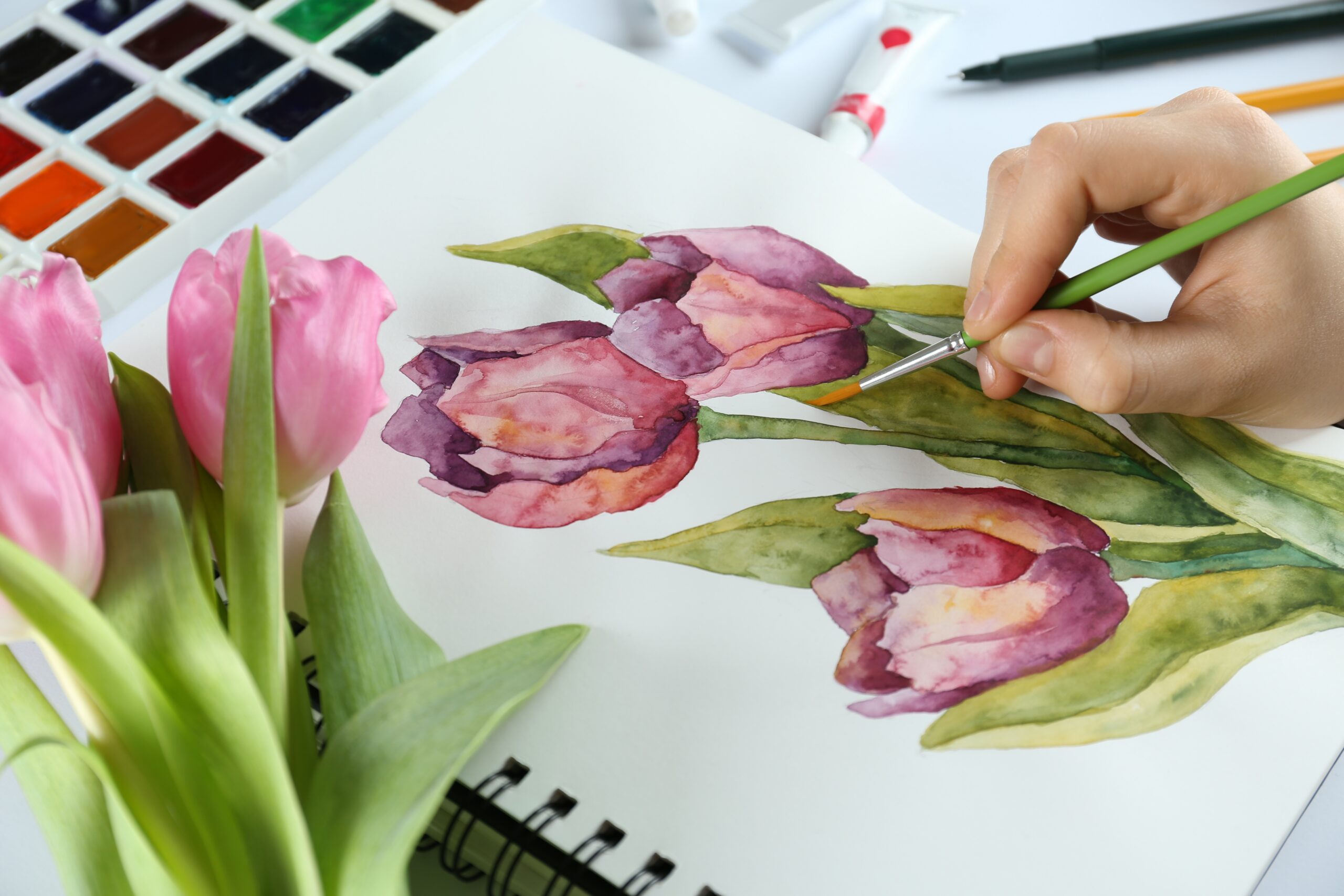
Watercolor and portable paint systems remain popular among traveling artists because they offer high expressive potential with minimal supplies. Compact watercolor kits, foldable palettes, and travel sized brushes allow artists to work with color without transporting large volumes of paint.
Effective travel paint kits often include:
- Solid watercolor pans or half pans
- Collapsible water containers
- Travel brushes with built in reservoirs
- Small mixing palettes integrated into kit cases
For acrylic or gouache users, travel friendly paint tubes and sealed palettes allow for color exploration while limiting mess. Artists who travel frequently benefit from selecting paints that clean easily and dry quickly to reduce damage risks during transport.
Choosing high quality pigments reduces the need for carrying large quantities. Fewer colors can often achieve a wider range of tonal variations when mixed intentionally.
Lightweight Canvases, Paper Rolls, and Surface Selection
Transporting traditional art surfaces requires planning. Lightweight canvases, canvas boards, and rolled paper formats allow artists to bring physical surfaces without excessive bulk. Surface selection impacts both transport efficiency and creative flexibility.
Common portable surface options include:
- Canvas pads for acrylic and oil studies
- Pre primed canvas sheets
- Rolled watercolor paper
- Mixed media paper blocks
Rolled surfaces minimize space usage but require careful storage to prevent bending or creasing. Protective tubes or flat portfolio cases help preserve surface integrity during travel.
Artists working on location often prefer surfaces that dry quickly and resist environmental moisture. Selecting appropriate surface textures also improves control in outdoor or temporary settings where conditions may vary.
Organizing Portable Supplies for Efficiency and Protection
Organization plays a critical role in portable studio design. When tools are disorganized, setup time increases and creative momentum slows. Thoughtful organization systems allow artists to transition into creative work quickly.
Effective portable organization strategies include:
- Modular pouches grouped by medium
- Hard cases for fragile tools
- Water resistant containers for liquid media
- Labeling systems for quick identification
Some artists create tiered kits:
- A minimal everyday kit for spontaneous sketching
- A medium kit for planned creative sessions
- An expanded kit for longer travel periods
This layered approach allows flexibility without requiring full studio transport for every outing.
Protecting Artwork During Travel and Storage Between Trips
Traveling artists face unique challenges in preserving completed work. Physical artwork is vulnerable to moisture, pressure, temperature fluctuations, and physical impact. Proper protection ensures that creative output remains intact between locations.
Protective strategies include:
- Using rigid portfolio cases for flat artwork
- Transporting canvases with protective corner guards
- Separating wet and dry works to prevent smudging
- Allowing adequate drying time before packing
For longer travel periods or seasonal transitions, artists often benefit from temporary offsite storage. Storing completed pieces, surplus supplies, or larger equipment in secure storage spaces allows portable kits to remain streamlined while preserving work safely between projects.
This approach also helps traveling artists maintain continuity in their creative practice without overloading travel kits with every tool or finished piece they own.
Artists Travel Kits and Modular Studio Systems
Some artists prefer to build their own portable studio piece by piece, while others benefit from pre-assembled travel kits. Artists travel kits are designed to provide an all-in-one solution for mobile creativity, combining essential tools into compact, organized systems. These kits work particularly well for creators who value speed and simplicity in setup.
Common components found in artists travel kits include:
- Multi-tool pens and pencils
- Compact paint sets with integrated palettes
- Travel sized brushes
- Mini sketchbooks or pads
- Protective storage cases
Modular studio systems take this idea further by allowing artists to customize kits based on project needs. Instead of carrying one large kit, modular systems allow creatives to swap components in and out. For example, a watercolor module may be paired with a sketching module for one trip, while a digital drawing module may replace paint supplies for another.
Modular systems support flexibility and reduce unnecessary weight. This approach also minimizes creative friction by allowing artists to tailor their portable studio to specific projects rather than relying on a one-size-fits-all solution.
Creative Routines for Traveling and Seasonal Artists
Portable studios support consistency, but routines sustain creativity. Traveling artists often struggle to maintain creative habits due to irregular schedules, unfamiliar environments, and shifting energy levels. Establishing adaptable creative routines allows artists to remain productive without rigid expectations.
Effective portable creative routines include:
- Short daily sketch sessions to maintain creative flow
- Reference photo collection for later studio refinement
- Creative journaling to capture visual ideas and concepts
- Scheduled creative windows during travel downtime
For seasonal artists, portable studios provide continuity during periods when weather or schedule changes limit access to full studio spaces. Winter months, travel seasons, and transitional periods often become high opportunity windows for creative exploration when supported by portable tools.
Artists who treat creative work as a lifestyle rather than a location are better able to sustain long term creative growth. Portable studios support this mindset by embedding creative access into everyday life.
Balancing Creativity with Travel Practicalities
Traveling artists must balance creative ambition with practical constraints. Space, weight, security, and accessibility all influence portable studio design. Overpacking creative tools can create physical and mental burden, while underpacking may limit creative expression.
Practical considerations include:
- Transportation limitations such as airline carry-on rules
- Weather and environmental exposure risks
- Access to replacement supplies while traveling
- Security of valuable tools and devices
Artists benefit from testing portable studio setups in low risk environments before committing to long travel periods. Short trips provide opportunities to refine tool selection and organization strategies.
Balancing creative ambition with portability allows artists to remain agile without sacrificing expressive depth.
Protecting Equipment and Artwork Between Creative Sessions
Portable studios are only effective when tools and artwork remain protected between sessions. Environmental factors such as humidity, temperature changes, and physical movement can degrade materials over time. Creating a protection strategy extends the life of both tools and completed works.
Protection strategies include:
- Using water resistant cases for tools
- Separating digital devices from liquid media
- Storing artwork in archival sleeves
- Allowing wet work to fully dry before packing
When artists return home between trips, larger equipment and surplus supplies often require organized storage. Maintaining a clean, structured storage system prevents creative clutter from accumulating and ensures that portable kits remain streamlined for future travel.
Storing Art Supplies and Finished Work Between Trips
Traveling creatives often face the challenge of managing growing collections of supplies and completed artwork. Without a stable storage system, creative materials can overwhelm living spaces and disrupt workflow.
Storage strategies that support mobile artists include:
- Separating travel kits from home studio supplies
- Organizing artwork by project or time period
- Using labeled containers for easy retrieval
- Keeping fragile or finished works protected off the floor
Artists who work across seasons may also rotate tools and projects. Some mediums are more suited to travel, while others remain best suited to stationary studio environments. Offsite storage can help artists maintain access to supplies without cluttering active creative spaces.
How Organized Storage Supports Creative Freedom
Creative freedom is closely linked to physical space. When supplies are scattered or environments feel cluttered, creative focus becomes harder to sustain. Organized storage allows artists to return from travel to a calm, functional creative environment rather than one overwhelmed by partially used tools and unfinished projects.
Maintaining a dedicated storage strategy supports:
- Clear separation between travel kits and long term supplies
- Protection of finished work awaiting display or sale
- Reduced creative friction when preparing for future travel
- Smoother transitions between creative projects
Artists who integrate storage into their creative systems often experience greater sustainability in their practice. Storage is not simply about containment. It is about preserving momentum.
Art on the Go as a Lifestyle, Not a Limitation
Portable studios reflect a shift in how creativity fits into modern life. Creativity no longer waits for perfect conditions. It adapts. Traveling artists who build flexible creative systems gain access to inspiration wherever they are. The world becomes an extension of the studio rather than a distraction from it.
Art on the go supports:
- Creative responsiveness to environment
- Personal documentation of travel experiences
- Ongoing skill development through regular practice
- Expanded creative perspectives through new settings
Rather than limiting artistic depth, portable studios often enhance creative exploration. The constraints of portability encourage intentional tool selection, focused workflows, and deeper engagement with the creative process.
Storage Success Starts with the Right Space
Traveling artists thrive when creative systems extend beyond the moment of inspiration. Organizing supplies, protecting completed work, and creating breathing room between projects supports long term creative growth. Whether you are rotating tools between seasons, storing finished pieces between exhibitions, or keeping larger equipment secure while working on the go, having access to the right storage space keeps creativity moving forward without clutter holding it back.