

It’s Not the Size of Your Home, It’s the Flow
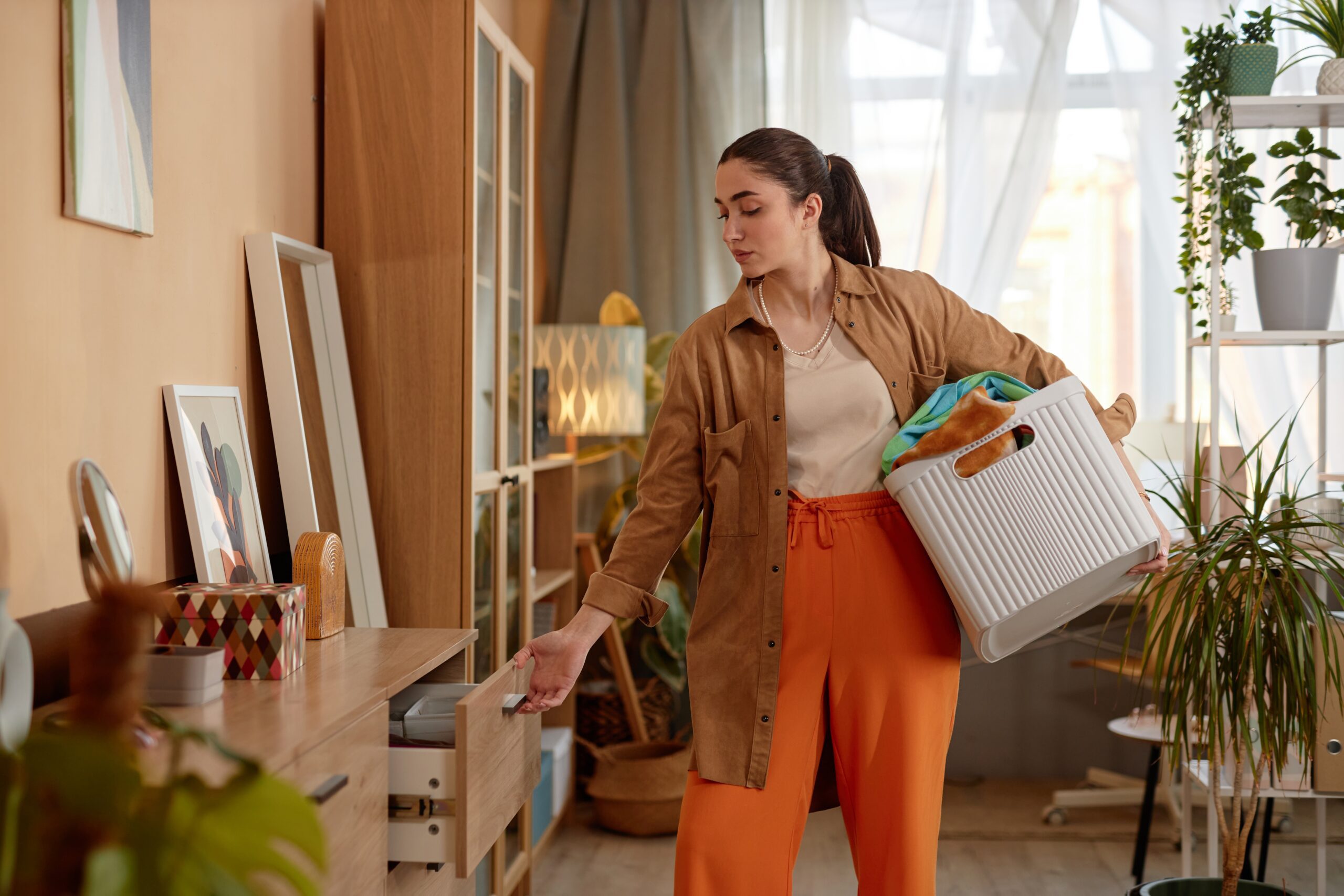
How Home Flow Organization Improves Daily Life
When a home starts to feel cramped, crowded, or hard to live in, the first instinct is often to blame the size of the space. It’s easy to think that more square footage would solve the problem — more rooms, bigger closets, wider hallways. But in reality, many homes that feel tight or overwhelming are not actually small. They suffer from poor flow.
Flow refers to how easily you move through your home, how naturally your daily routines fit into each space, and how well your layout and storage support the way you actually live. A home with good flow feels easier to use, calmer to be in, and more functional day to day. A home with poor flow can feel cluttered, frustrating, and constantly in your way — even if there’s technically enough room.
Understanding how flow works, where it breaks down, and how to improve it can completely change how your home feels without changing its size. This guide walks through what flow really means, how to spot flow problems, and how to start making practical changes that improve the way your home works for you.
What “Flow” Really Means in a Home (And Why It Matters More Than Square Footage)
Flow in a home is about movement, usability, and visual clarity. It’s the difference between walking through your space with ease versus constantly stepping around obstacles, navigating tight paths, and feeling boxed in by everyday items. Flow isn’t just physical — it affects how mentally calm or stressed a space feels as well.
Homes with good flow allow you to move naturally from room to room without interruption. Furniture placement supports walking paths instead of blocking them. Storage systems support daily routines instead of creating friction. Visual clutter is minimized, allowing your eye to rest instead of constantly scanning for somewhere to put things.
When flow is poor, even large rooms can feel tight. Narrow pathways, overfilled storage areas, and poorly arranged furniture can make a space feel smaller than it actually is. On the other hand, modest-sized homes with strong flow can feel open, functional, and surprisingly spacious.
Modern living patterns have made flow more important than ever. Many homes now serve multiple purposes at once — workspaces, dining areas, relaxation zones, and storage hubs all overlapping. When flow isn’t intentional, these overlapping functions compete for space, leading to congestion and frustration. Improving flow means helping each area do its job without getting in the way of the others.
Signs Your Home Has a Flow Problem (Not a Space Problem)
Flow issues often show up in subtle, everyday frustrations rather than obvious layout problems. If your home feels constantly “in the way,” that’s usually a sign of flow breakdown rather than a lack of square footage.
Common signs of flow problems include:
- Walkways that feel tight or require stepping around furniture
- Entryways that immediately feel cluttered when you walk in
- Surfaces that are always covered, no matter how often you clear them
- Closets and cabinets that are difficult to open or access fully
- Rooms you avoid using because they feel overwhelming or cramped
Flow problems also show up emotionally. You may feel irritated moving through your home, find yourself constantly shifting items around, or feel mentally drained by visual clutter. These reactions aren’t about being disorganized — they’re signals that the way your space is set up doesn’t support how you live.
Over time, flow problems compound. A crowded closet leads to overflow in bedrooms. Entryway clutter spills into living spaces. Kitchen congestion pushes items onto counters. The result is a home that feels increasingly tight, even if the total amount of space hasn’t changed.
The Relationship Between Clutter and Flow
Clutter is one of the biggest disruptors of flow, but not all clutter affects a home in the same way. Physical clutter blocks movement and access, while visual clutter overwhelms the eye and creates a constant sense of disorder. Both interfere with how a space feels and functions.
High-friction zones are the areas where clutter tends to accumulate the most. These are usually places where daily activity is concentrated: kitchen counters, entryway surfaces, coffee tables, and bedroom dressers. When these zones are overloaded, they interrupt flow by blocking usable space and creating visual noise.
Decluttering helps, but decluttering alone doesn’t fix flow if the underlying systems stay the same. If storage areas are overfilled or poorly designed, clutter will naturally return to surfaces. Improving flow requires creating storage systems that actually match how items are used, not just removing things temporarily.
Flow-focused organization looks at how items move through a space. It asks practical questions: Where does this item naturally land? How often is it used? Is it stored where it’s needed? When storage doesn’t align with usage, clutter becomes the visible symptom of a deeper flow issue.
How Layout Impacts Flow (Even Without Moving Walls)
Layout plays a major role in how a home feels to move through. Even small changes in furniture placement can dramatically improve or worsen flow. The goal is to support natural walking paths and daily movement patterns rather than forcing people to navigate around obstacles.
Many homes feel cramped not because of size, but because furniture blocks intuitive pathways. Large pieces placed too close together can shrink usable space. Walkways that are technically open but visually crowded can still feel tight. The way furniture is scaled for a room also matters — oversized pieces in smaller rooms disrupt flow quickly.
Good flow prioritizes movement first, then function. Seating, tables, and storage should fit around natural traffic patterns rather than interrupt them. Even shifting a chair or table a few inches can open up walking paths and make a room feel noticeably more comfortable to use.
Open space doesn’t automatically mean good flow. A wide open room with poorly placed furniture can feel less functional than a smaller room with intentional layout. Flow is about how space works, not how empty it looks.
Room-by-Room Flow Breakdown: Where Most Homes Get Stuck
Entryways and Drop Zones
Entryways set the tone for the rest of the home. When this space is congested, clutter tends to spill into nearby areas. Shoes, bags, coats, and mail often pile up because the space lacks defined storage zones that match daily habits.
Flow improves when entryways have clear walking paths and intentional landing zones. Hooks, shelving, and designated drop areas help contain everyday items so they don’t block movement. Even small adjustments here can reduce clutter from spreading deeper into the home.
When entry flow is strong, it creates a smoother transition into the home. When it’s weak, the entire space can feel disorganized from the moment you walk in.
Kitchens and Cooking Paths
Kitchens are high-traffic, high-function areas, which makes flow especially important. Movement between the sink, stove, and refrigerator should feel natural. When cabinets are overcrowded or storage is poorly organized, cooking paths become cluttered and inefficient.
Overfilled cabinets force items onto counters, which disrupts both physical and visual flow. Everyday cooking becomes harder when frequently used items are buried behind rarely used ones. Reorganizing storage by frequency of use can dramatically improve how smoothly a kitchen functions.
Flow in the kitchen isn’t about having more space — it’s about making existing space easier to use. Clear pathways, accessible storage, and intentional zones for prep, cooking, and cleanup reduce friction in daily routines.
Living Areas and Shared Spaces
Living spaces often struggle with flow because they serve multiple purposes: relaxation, entertainment, storage, and sometimes work. Furniture congestion, poorly defined zones, and visible clutter can make these areas feel tight even when the room itself is spacious.
Flow improves when walking paths are clear and furniture placement supports movement rather than blocks it. Storage that blends into the space helps reduce visual clutter without sacrificing function. The goal is to create zones that feel open while still serving real needs.
When shared spaces have good flow, they feel more inviting and easier to spend time in. When flow breaks down, these rooms often become dumping grounds for items that don’t have a designated place.
Improving flow room by room builds momentum. Small changes in high-traffic areas can have an outsized impact on how the entire home feels to move through.
Bedrooms, Closets, and Hallways: Where Flow Quietly Breaks Down
Flow issues often go unnoticed in private areas of the home because they build up gradually. Bedrooms, closets, and hallways are not always top of mind when people think about organization, but these spaces play a major role in how calm or chaotic a home feels overall. When flow breaks down in these quieter zones, the effects ripple into daily routines in subtle but persistent ways.
In bedrooms, flow is disrupted when storage spills into walking paths. Overflowing dressers, piles of clothing, and crowded corners can make even a generously sized bedroom feel cramped. Poorly organized closets force items into visible areas, which increases visual clutter and reduces usable space.
Closets are one of the most common points of flow failure. When closets are overfilled, they stop functioning as storage and become bottlenecks. Clothing ends up on chairs, shoes spill into hallways, and seasonal items compete for space with everyday essentials. Flow improves when closets are treated as active systems rather than passive storage boxes. This means organizing by frequency of use, rotating seasonal items, and allowing breathing room so items can be accessed easily.
Hallways often get overlooked entirely, yet they are literal flow corridors. When hallways become narrow due to stored items, decor that protrudes, or furniture that creeps into walking paths, the home begins to feel more confined. Clear hallways allow movement to feel natural and uninterrupted. Even small improvements here can create a noticeable shift in how open the home feels.
Why Storage Capacity Controls Flow More Than You Think
Flow is deeply tied to storage capacity. When a home lacks adequate storage for the volume of belongings it holds, items naturally spill into visible spaces. This doesn’t happen because of personal habits alone — it happens because the environment doesn’t support the reality of what needs to be stored.
Many homes accumulate items faster than their built-in storage can accommodate. Seasonal décor, clothing rotations, hobby equipment, and household overflow all compete for limited closet and cabinet space. When storage reaches capacity, flow breaks down because items no longer have logical homes. Surfaces become storage by default, and walking paths begin to shrink.
Improving flow often means reassessing storage distribution rather than simply adding more storage furniture inside the home. Overcrowding storage units within living spaces can worsen flow by shrinking walking areas and increasing visual weight. Flow improves when storage is balanced — everyday items stay accessible, while infrequently used belongings are stored outside primary living zones.
Storage decisions are flow decisions. Where items live, how easily they can be accessed, and how much space they occupy directly affect how smoothly your home functions. Homes that feel calm and spacious often achieve that feeling not by having fewer belongings, but by managing storage in a way that supports movement and clarity.
Seasonal Flow Resets: Why Homes Feel Different Throughout the Year
Flow isn’t static. It changes with seasons, routines, and life patterns. In colder months, homes tend to absorb more gear, layers, and indoor activities. Coats, boots, blankets, holiday décor, and indoor projects accumulate. The result is often tighter flow paths, fuller closets, and more visible clutter.
As seasons shift, so do space needs. Outdoor gear rotates in, winter items rotate out, and homes attempt to rebalance. Without intentional resets, seasonal transitions can leave homes stuck in a semi-cluttered state that never fully clears. Flow improves when seasonal items are cycled out of primary living spaces rather than simply shuffled around.
Seasonal flow resets are about reclaiming movement and breathing room. This doesn’t require purging everything — it requires acknowledging that not all items need to live in active space year-round. Homes that feel lighter in spring often do so because winter items have been physically removed from everyday areas.
Seasonal resets also provide a natural rhythm for reassessing how space is being used. What felt manageable three months ago may now feel crowded. Adjusting flow seasonally keeps the home aligned with how it is actually being lived in.
Storage as a Flow Tool, Not Just a Place to Put Things
Storage works best when it supports flow rather than competing with it. This means thinking beyond storage as a place to “put stuff” and instead viewing it as a system that protects movement, visibility, and ease of use.
When storage is too dense inside a home, flow suffers. Furniture that doubles as storage can be useful, but too much of it can shrink walkways and make rooms feel heavy. Cabinets and shelves that are packed tightly with items create visual congestion, even if everything technically fits.
External storage plays a role in flow by reducing pressure on interior storage systems. Items that are used seasonally, occasionally, or rarely don’t need to live in daily walking paths. Removing low-frequency items from active spaces creates breathing room without requiring permanent downsizing of belongings.
Flow improves when storage decisions are based on how often items are used rather than emotional attachment alone. Items can still be kept — they just don’t need to interrupt daily movement patterns to be available when needed.
Common Myths That Keep Homes Feeling Cramped
“My Home Is Just Too Small”
This belief keeps people stuck. While some homes are physically smaller than others, most flow issues are caused by layout, storage distribution, and clutter concentration rather than square footage alone. Many homes have underutilized vertical storage, inefficient furniture placement, and overloaded storage zones that make them feel smaller than they are.
“If I Just Buy Better Storage Furniture, It Will Fix the Problem”
Adding more storage furniture without addressing flow often worsens congestion. Storage solutions that take up floor space can block walking paths and visually shrink rooms. Flow improves when storage capacity is increased strategically, not indiscriminately.
“Decluttering Is the Only Solution”
Decluttering helps, but it doesn’t automatically fix flow. Without better storage systems and layout adjustments, clutter tends to return. Flow-focused changes address how space functions, not just how much stuff is present.
How to Maintain Flow Over Time (Without Constant Reorganization)
Flow isn’t a one-time fix — it’s a system that benefits from light maintenance rather than major overhauls. Homes that maintain good flow typically rely on a few simple habits rather than constant reorganizing.
Periodic flow check-ins help prevent slow buildup. Walking through your home with an eye for movement paths, surface clutter, and storage strain reveals where flow is starting to tighten. Addressing these small friction points early prevents larger disruptions later.
Flow maintenance also benefits from having a designated overflow solution. When storage inside the home reaches capacity, having a plan for where excess items go prevents surfaces and pathways from becoming default storage zones. This keeps daily living areas functional and visually calm.
Most importantly, flow maintenance works best when systems are designed around real routines. Homes change as lifestyles change. Storage and layout should evolve alongside those changes rather than remaining static.
Why Flow-Based Homes Feel Calmer to Live In
Homes with good flow support mental clarity as much as physical movement. Clear pathways reduce subconscious stress. Organized storage reduces visual noise. Functional layouts reduce daily friction. Together, these elements create an environment that feels easier to exist in.
When movement through a home feels natural, the home becomes less demanding. You spend less time navigating obstacles, shifting items around, and managing overflow. This creates more space for rest, focus, and enjoyment of the space itself.
Flow-based homes don’t require perfection. They require alignment between space and use. When your environment supports how you actually live, your home works with you instead of against you.
Creating Better Flow Without Losing What Matters to You
Improving flow doesn’t mean getting rid of everything you own. It means being intentional about where items live and how much space they take up in daily living zones. You can keep what matters while still reclaiming movement and openness.
Homes that feel spacious aren’t empty — they are organized around flow. Items are stored where they support daily routines rather than disrupt them. Belongings that aren’t used regularly are kept accessible without taking over active space.
Flow is about balance. It allows a home to hold what matters without feeling weighed down by it.
Flow-Friendly Storage Starts With Making Room Where You Live
Improving the flow of your home often starts with creating breathing room in the spaces you use every day. When closets, cabinets, and storage zones are overfilled, flow naturally breaks down. Creating space inside your home allows movement, organization, and daily routines to function more smoothly.
Using storage strategically can help protect flow without forcing you to permanently part with belongings. By relocating seasonal, occasional, and overflow items out of primary living areas, you allow your home to work better for everyday life.